Invisalign aligners make orthodontic care more comfortable and flexible than traditional braces. Each set of trays fits smoothly, guiding your teeth into place with gentle, consistent pressure that’s easy to adjust to.
At Gardena Dental Care, we personalize every Invisalign plan to match your bite and lifestyle. Our approach focuses on comfort and steady progress, helping you see changes without the irritation metal braces often cause.
In this article, you’ll discover how Invisalign aligners support continuous movement, protect your smile’s comfort, and make orthodontic treatment easier to fit into everyday life.
How Invisalign Aligners Work
Invisalign aligners use a thoughtful approach to straighten teeth comfortably and effectively. They rely on precise fit, gradual movement, and a design that fits into your daily life without hassle.
Custom-Fit Technology
Each Invisalign aligner is made just for your teeth. Digital scans create a 3D model of your mouth to design trays that fit snugly and securely. This custom fit means the aligners apply gentle, even pressure where it's needed most, helping your teeth move safely.
The trays use smooth, clear material, which reduces irritation to your gums and cheeks. Because they’re precisely made, you can wear them longer each day without discomfort or slipping. This tailored fit also makes it easier to keep your mouth clean since you remove the trays to brush and floss.
Sequential Tooth Movement
Invisalign moves your teeth little by little. You wear a series of aligners that each make small changes. Every one or two weeks, you switch to the next tray in the set, which applies pressure to shift your teeth closer to their ideal position.
This step-by-step process helps avoid sudden discomfort. The gradual force lets your teeth adjust slowly and steadily. Regular check-ups ensure your treatment stays on track and is realigned if needed, so progress remains comfortable and safe.
Less Discomfort With Clear Aligners
According to a clinical study published in the American Journal of Orthodontics and Dentofacial Orthopedics, patients treated with clear aligners such as Invisalign reported significantly less pain and discomfort during the first week of orthodontic treatment than those with fixed braces.
This evidence highlights Invisalign’s ability to support smoother, more comfortable tooth movement.
Removable Design
One of the biggest benefits of Invisalign is that the aligners are removable. You can take them out when eating, brushing, or flossing. This makes it easier to maintain good oral hygiene and enjoy all your favorite foods without restriction.
Removing the trays also lets you clean both your teeth and the aligners well, minimizing plaque and preventing irritation. When worn as directed, usually around 20-22 hours a day, the removable design doesn’t slow down your treatment and keeps your smile comfortable throughout the process.
Comfort Benefits of Invisalign
Invisalign aligners offer several features that make your orthodontic treatment easier and more comfortable.
From the materials used to how the treatment is managed, Invisalign helps reduce common discomforts linked to braces. You can expect smooth finishes, fewer office visits for adjustments, and less irritation inside your mouth.
Smooth and Gentle Materials
Invisalign trays are made from a smooth, BPA-free plastic that feels gentle against your gums and cheeks. Unlike traditional braces, there are no metal brackets or wires that can poke or scratch the inside of your mouth.
This material fits snugly over your teeth, applying gentle, even pressure to straighten them without sudden pain or tightness.
Because the trays are custom-made for your smile, they match your teeth’s shape closely, which lowers the chances of rubbing or soreness. This means less chance of cuts or blisters during treatment.
No Tightening Appointments
Traditional braces require regular tightening visits, which can cause soreness and discomfort after each adjustment. Invisalign works differently because you switch your aligners every one to two weeks instead of tightening wires.
This system lets your teeth shift slowly and steadily without sudden pressure changes. You’ll likely notice fewer aches or pain spikes compared to metal braces. Your follow-ups focus on checking progress and receiving your next set of trays rather than painful adjustments.
Reduced Mouth Irritation
Because Invisalign trays are smooth and fit well, they cause less irritation to your gums, cheeks, and tongue. The trays cover your teeth fully but don’t have rough edges or brackets that usually scrape tissue inside your mouth.
You can easily remove the trays to clean your teeth and gums, which helps maintain healthy tissue and reduces inflammation.
Unlike traditional braces, where food and plaque often get trapped, causing soreness, Invisalign lets you keep your mouth cleaner and more comfortable throughout your orthodontic journey.
Supporting Continuous Orthodontic Progress
Keeping your teeth moving smoothly and comfortably is key when using Invisalign aligners. The design of the aligners ensures steady pressure on your teeth and helps avoid unwanted delays, making your treatment easier to manage.
Consistent Application of Pressure
Invisalign aligners fit snugly over your teeth, applying gentle, steady pressure. This consistent force guides your teeth to their new positions little by little. Because the pressure is even and controlled, it helps avoid pain spikes that sometimes happen with traditional braces.
Your aligners are custom-made and changed regularly, usually every one to two weeks. Each new set applies pressure where your teeth need it most. This gradual process supports healthy, continuous movement without overworking your teeth or gums.
Fewer Treatment Interruptions
One big benefit of Invisalign is that your treatment faces fewer interruptions. Since the aligners are removable, you can take them out for eating, brushing, and flossing. This helps keep your mouth clean and healthy throughout the process.
Invisalign also reduces problems like broken wires or loose brackets. You don’t need emergency visits to fix hardware issues, which means fewer delays. You can stick closely to your treatment schedule with less hassle.
Daily Life with Invisalign
Invisalign clear aligners fit smoothly into your daily routine. You get the freedom to eat what you like and keep your teeth clean without hassle. The ease of care and comfort they offer help keep your orthodontic treatment simple and effective.
Easy Maintenance and Cleaning
Invisalign trays are easy to clean, which helps keep your mouth healthy during treatment. You just remove them and brush both your teeth and the aligners gently with a soft toothbrush. Avoid using hot water on the trays to prevent warping.
You don’t have to worry about food getting stuck like with traditional braces. Rinsing your aligners with water before putting them back in is helpful. Carrying a small case to store your trays safely when you eat or drink keeps them secure.
This simple cleaning routine makes it easier to maintain fresh breath and reduce plaque buildup. Regularly cleaning keeps your aligners clear and comfortable to wear every day.
Eating and Oral Hygiene Flexibility
One big benefit of Invisalign is that you take the trays out before eating or drinking anything except water. This means you can enjoy your usual meals without restrictions. There’s no risk of food getting trapped or damaging metal parts.
After eating, you simply brush your teeth before placing the aligners back in. This step helps prevent staining and decay. Removing the trays also means you can floss daily, which is much harder with traditional braces.
This flexibility makes it easier to keep your oral health in top shape while straightening your teeth. You can develop habits that fit your lifestyle and support treatment success.
Comparing Invisalign to Traditional Braces
When choosing between Invisalign and traditional braces, it’s important to think about how each option looks and fits into your daily life. Both can straighten your teeth, but they do it in very different ways that affect how you feel and live during treatment.
Discreet Appearance
Invisalign aligners use clear plastic trays that fit snugly over your teeth. They are almost invisible when worn. This makes them a popular choice if you want to keep your orthodontic treatment low-key.
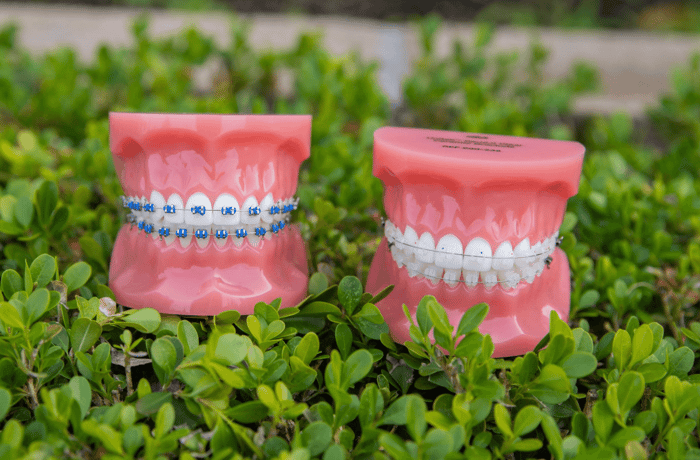
People often find that others hardly notice the aligners, unlike metal braces, which are clearly visible because of brackets and wires. Traditional braces use metal or ceramic brackets and wires attached to your teeth.
They are very effective but can draw more attention. If you want to avoid the noticeable look of metal braces, Invisalign might be better for you. Plus, Invisalign lets you smile confidently during treatment without the look of metal.
Lifestyle Adaptation
Invisalign offers flexibility because the aligners are removable. You can take them out while eating, drinking, brushing, and flossing. This helps keep your mouth clean and makes it easier to maintain good oral hygiene compared to metal braces, which stay fixed on your teeth.
Traditional braces require careful cleaning around wires and brackets, and may need dietary changes to avoid hard or sticky foods.
Invisalign eliminates these worries since you remove the trays during meals. You will need to wear Invisalign for about 20 to 22 hours a day for the best progress, but this freedom makes daily life easier.
A Gentle Path to a Confident, Aligned Smile
Invisalign aligners make orthodontic treatment smoother, cleaner, and more comfortable. Their gentle, customized movement and flexible wear time support steady progress toward your ideal smile.
At Gardena Dental Care, we use advanced Invisalign technology to create personalized aligner plans that balance comfort and precision. Each set of trays is designed to fit your teeth perfectly and help you smile confidently throughout treatment.
If you’re ready to enjoy a more comfortable way to straighten your teeth, schedule a consultation today and discover how Invisalign can make your orthodontic journey easy, discreet, and effective.
Frequently Asked Questions
Invisalign aligners make orthodontic treatment easier by focusing on comfort and convenience. You can expect gentle progress with less pain and clear guidance at every step.
What are the top comfort benefits of using Invisalign aligners?
Invisalign aligners are smooth and fit closely to your teeth, which reduces irritation to your gums and cheeks. They avoid the metal wires and brackets that can cause soreness in traditional braces. The aligners also offer a more comfortable and nearly invisible option for straightening your teeth.
How long does it typically take to get used to wearing Invisalign aligners?
Most people adjust to Invisalign in a few days to one week. You might feel slight pressure or mild soreness at first as your teeth start to shift, but this usually settles down quickly. Wearing your aligners as directed helps speed up the getting-used-to period.
Are there any tips for managing discomfort during the initial phase of Invisalign treatment?
If you feel pressure or soreness, try using over-the-counter pain relievers as needed. Drinking cold water can also help reduce any inflammation. Soft foods are easier to eat during the first few days, and if a rough edge bothers you, your orthodontist can smooth it out.
Can Invisalign aligners be worn while eating or drinking?
You should always remove your Invisalign aligners before eating or drinking anything other than plain water. Eating with the aligners in can damage them and cause staining. After meals, brush your teeth or rinse your mouth before putting the aligners back in to keep them clean.
How does Invisalign technology reduce the pain compared to traditional braces?
Invisalign uses gentle, controlled movements with custom-made plastic trays. This lowers the risk of sharp pokes, cuts, or mouth sores common with metal braces. The gradual pressure helps your teeth move comfortably over time without sudden discomfort.
What should someone expect at the beginning of their Invisalign treatment?
At your first visit, the dental team will take digital scans or impressions of your teeth. These images help create your personalized aligners. You'll get clear instructions on how to wear and care for them. During the first few days, you may feel mild pressure as your teeth start shifting. You’ll also have regular check-ins to track your progress and make any needed adjustments.