Caring for your new dental crown at home helps it last longer and stay comfortable. With the right habits, you can protect your crown from damage, keep your gums healthy, and avoid unnecessary dental visits.
At Gardena Dental Care, we believe the key to a lasting crown is daily care done the right way. From brushing and flossing gently to eating smart and protecting your teeth at night, simple steps can make a big difference in keeping your crown secure and strong.
In this article, you’ll learn how to clean, protect, and maintain your crown using easy at-home methods that support long-term comfort and oral health.
Daily Cleaning Habits
Caring for your new dental crown means cleaning it well every day. Focus on how you brush, how you floss around it, and the best toothpaste and tools to use. These habits help keep your crown strong and your mouth healthy.
Brushing Techniques for Crowns
Brush your crown gently but thoroughly twice a day. Use a soft-bristled toothbrush to avoid damaging the crown’s surface. Hold your toothbrush at a 45-degree angle to your gums and use small circular motions.
Clean all sides of the crown and the teeth next to it. Avoid harsh scrubbing or brushing too hard, as this can wear down the crown or irritate your gums. If your crown feels sensitive, use a toothbrush designed for sensitive teeth.
Flossing Tips Around Dental Crowns
Flossing around a crown is very important to prevent decay at the crown’s edges. Use regular floss or a floss threader to slide gently between the crown and your gum.
Avoid snapping the floss down hard. Move it up and down carefully to clean below the gum line. Interdental brushes or water flossers can make cleaning easier. Keeping this area clean helps stop plaque from building up and keeps your gums healthy.
Recommended Toothpaste and Tools
Use a non-abrasive toothpaste made for sensitive teeth or crowns. Abrasive toothpaste can scratch or dull the crown’s surface over time. Look for labels like “non-abrasive” or “for dental work.”
Electric toothbrushes with soft heads clean efficiently without too much pressure. If you’re unsure about the right products for your crown, ask your dental team for advice. Simple tools and good toothpaste help your crown last longer and look natural.
Protecting Your Dental Crown
Protect your dental crown by watching what you eat and avoiding habits that can harm it. Simple steps like skipping certain foods and using protective gear while sleeping can help keep your crown safe. Being mindful of everyday habits lowers the risk of damage.
Avoiding Hard or Sticky Foods
Hard foods like ice, nuts, or hard candy can crack or chip your crown. Sticky foods like caramel or gummy candies can pull the crown off or loosen it over time. Cut tough items into smaller pieces instead of biting directly into them.
If you chew gum, choose sugar-free types and chew on the opposite side of your crown. Eating softer foods helps protect your crown during the healing period and beyond.
Using Night Guards for Teeth Grinding
If you grind or clench your teeth while you sleep, a night guard can protect your crown from damage. Grinding puts extra pressure on your teeth, which may cause cracks or wear over time.
Your dentist can fit you with a custom night guard. This device cushions your teeth and crowns while you sleep. Wearing it every night helps preserve your dental work and avoid costly repairs.
Preventing Damage from Habits Like Nail Biting
Habits like nail biting, chewing on pens, or opening packages with your teeth put stress on your crown. These actions can lead to fractures or loosening of the dental work.
Try to break these habits by keeping your hands busy or using tools designed for opening packages. Treat your crown gently during everyday activities to keep it secure and last longer.
Managing Sensitivity and Discomfort
After getting a new dental crown, you might feel some sensitivity and mild discomfort. This is common and usually only lasts a short time. Knowing how to soothe your teeth and when to expect relief can help you feel better faster.
Sensitivity After a Crown Is Normal and Temporary
According to the National Institutes of Health (NIH), mild tooth sensitivity after crown placement is normal and usually fades as the surrounding tissues heal. The NIH notes that patients who experience prolonged discomfort should return for evaluation, as early adjustments can resolve most issues and prevent future complications.
Soothing Sensitive Teeth at Home
If your crown feels sensitive, brush gently with a soft-bristled toothbrush. Use toothpaste made for sensitive teeth to help reduce discomfort. Avoid very hot, cold, or sugary foods and drinks for a few days to protect your crown and nearby teeth.
Over-the-counter pain relievers like ibuprofen can ease soreness. Rinse your mouth with warm salt water to reduce irritation and keep the area clean. Avoid harsh mouthwashes with alcohol, as they may increase sensitivity.
If you grind your teeth at night, wearing a mouthguard can protect your crown and reduce discomfort. Your dental team can help you find the right solution if needed.
When to Expect Symptom Improvement
Sensitivity usually fades within 1 to 2 weeks after your crown is placed. The nerves around the treated tooth adjust to the new crown, which lowers discomfort over time.
If sensitivity lasts longer than two weeks or gets worse, call your dentist. Prolonged pain may mean the crown needs adjustment or another issue needs to be checked. Early care can prevent bigger problems, so don’t wait to get help.
Recognizing Signs of Crown Issues
Knowing when your dental crown needs attention helps you avoid bigger problems. Pay attention if your crown feels loose, your bite feels different, or your gums become sore. These signs can show that your crown isn’t fitting or working right.
Identifying Looseness or Cracks
If your crown feels loose or moves slightly when you touch it, this is a clear sign of trouble. You might notice a strange sensation while chewing or even hear clicking sounds when you bite down.
Cracks in your crown can cause pain when eating hot or cold foods. Look for visible chips or fractures on the surface. If you spot any damage, call your dentist quickly to avoid losing the crown.
Noticing Changes in Bite or Fit
Your crown should feel like a natural part of your tooth. If your bite feels uneven or your teeth don’t fit together as before, it may mean the crown is too high or in a shifting position.
This change can cause discomfort, headaches, or jaw pain. Write down when and how often you notice this, and bring these details to your next visit. Your dentist will adjust the crown to restore a comfortable bite.
Spotting Gum Irritation
Inflamed or sore gums around your crown can signal irritation or infection. Watch for redness, swelling, or bleeding near the crown edge. Sometimes, food particles can get trapped under the crown, causing gum problems.
Good home care is key, but if irritation doesn’t improve, you should see your dentist. Your dental team can help you protect your gums with gentle cleaning tips and treatments when needed.
Supporting Long-Term Crown Health
Caring for your dental crown goes beyond daily brushing and flossing. Eating the right foods and keeping regular dental visits are key to making your crown last.
Maintaining a Balanced Diet
What you eat affects your crown’s strength and your overall dental health. Avoid very hard foods like ice, hard candies, or nuts that might crack or chip your crown. Sticky treats such as caramel and taffy can pull at the crown and loosen it over time.
Eat fruits, vegetables, lean proteins, and whole grains. These foods help keep your gums healthy and reduce the risk of decay around the crown’s edges. Drinking plenty of water washes away food particles and acids that can harm your teeth.
Limit sugary drinks and snacks. High sugar intake can cause decay beneath the crown, which may lead to more dental work later on.
Scheduling Regular Dental Checkups
Regular visits to your family dentist help catch small problems early. Your dentist will check your crown for cracks, loose areas, or gum issues. Early care can prevent bigger repairs.
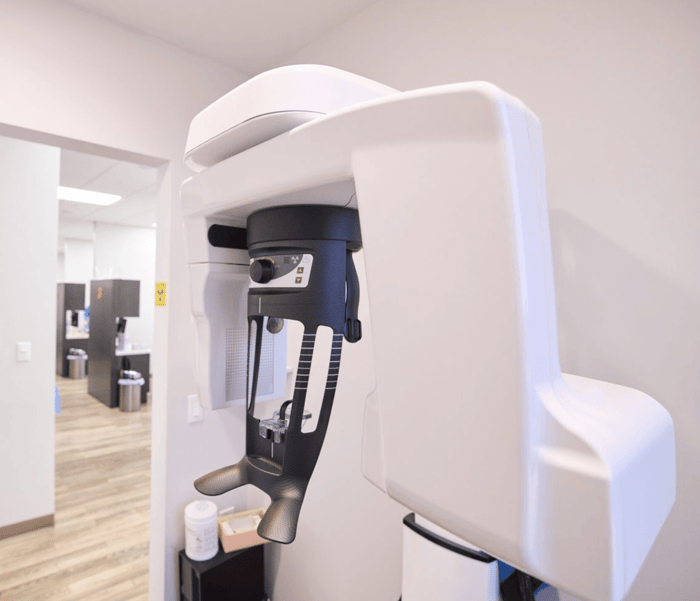
Dentists use special tools and X-rays to check the crown’s fit and the health of the tooth underneath. They also clean around the crown to remove plaque and tartar that your toothbrush can’t reach.
Schedule checkups every six months, or as your dentist suggests. Sticking to these visits helps keep your crown strong and your smile healthy for many years.
Keep Your Dental Crown Strong With Consistent Care
Your new dental crown can last many years with the right habits and gentle care. Daily brushing, mindful eating, and regular dental checkups all work together to protect your crown and maintain your comfort.
At Gardena Dental Care, we help patients protect their new crowns with personalized guidance and supportive care. Our team focuses on making every restoration feel natural and last as long as possible through education and preventive visits.
If you’ve recently received a dental crown, take a few moments each day to follow these simple care steps — your smile will thank you with lasting comfort and health.
Frequently Asked Questions
Taking care of your new dental crown helps it last longer and keeps your mouth healthy. Clean it carefully, watch what you eat, and protect it during everyday activities like sleeping and flossing.
How can I ensure a long life for my new dental crown?
Avoid chewing hard foods and biting on ice or pens. Visit your dentist regularly for checkups to catch any problems early. If you grind your teeth, ask about a night guard.
What are the best practices for cleaning my dental crown?
Brush twice a day using a soft-bristle toothbrush. Clean along the gum line gently to remove plaque. Rinse with mouthwash if your dentist suggests it.
Are there any specific foods I should avoid with a new crown?
Stay away from sticky candies and hard nuts that can damage your crown. Limit very hot or cold foods if you notice sensitivity. Avoid chewing ice or using your teeth to open packages.
What kind of toothpaste is recommended for a dental crown?
Use non-abrasive toothpaste to protect the crown’s surface. Avoid whitening toothpaste unless your dentist says it’s safe for crowns. Fluoride toothpaste helps keep your teeth strong.
Can you provide tips for protecting my dental crown while sleeping?
If you grind or clench your teeth at night, a custom night guard can protect your crown. Keep your mouth relaxed and avoid chewing on your tongue or cheeks while sleeping.
Is there a special technique to floss around my dental crown?
Gently use floss to avoid loosening the crown. Slide the floss up and down along the sides of the crown and reach under the gum line. You can also use a floss threader or water flosser for easier cleaning.