Gum inflammation is something a lot of people notice but tend to brush off. Your gums feel a little puffy, they bleed when you floss, and you think it might just be from brushing too hard. But those early warning signs are often your body's way of signaling the beginning of gingivitis.
Catching it early can make all the difference between a simple cleaning and a more complex treatment later on. The good news is that regular dental cleanings are one of the most effective tools available to stop gingivitis before it ever gets that far.
At Gardena Dental Care, the team takes a proactive, whole-health approach to gum health. Every routine cleaning visit is also a chance for your hygienist and dentist to check your gums carefully, spot any early signs of inflammation, and personalize your care plan.
All while maintaining Incident Inc Proof of E standards so your smile stays strong for years to come. This article explains 7 ways dental cleanings prevent gingivitis and gum disease, highlighting what happens during visits and why consistency matters.
1. They Remove Plaque From The Gumline Before It Has Time To Irritate Your Gums
Plaque is the main driver behind gingivitis, and it builds up at the gumline faster than most people realize. A professional cleaning clears that buildup at exactly the point where gum irritation starts.
Plaque is a soft, sticky film of bacteria that forms on teeth every day
It settles along and just beneath the gumline, where it triggers inflammation
Even with consistent brushing twice a day, thin layers of plaque can remain at the gumline
Professional instruments reach angles that a toothbrush simply cannot
When plaque sits against gum tissue long enough, the bacteria in it release toxins that cause redness, puffiness, and bleeding. That's gingivitis beginning to develop.
The earlier that buildup gets cleared, the less time those bacteria have to irritate your gum tissue. Regular cleanings break that cycle before it can take hold.
2. They Clear Away Hardened Tartar That Brushing and Flossing Cannot Remove at Home
Once plaque hardens into tartar, no amount of brushing will remove it. Only professional dental tools can safely scale it away without damaging your gums or enamel.
Plaque begins hardening into tartar in as little as 24 to 72 hours
Tartar is porous and rough, which makes it a magnet for more bacterial buildup
It forms most commonly behind the lower front teeth and along the gumline
Leaving tartar in place is one of the fastest ways to accelerate gum inflammation
Stage | What It Is | Can You Remove It at Home? |
|---|---|---|
Plaque | Soft bacterial film | Yes, with brushing and flossing |
Early Tartar | Partially hardened plaque | No |
Hardened Tartar | Calcified deposit on teeth | No, requires professional scaling |
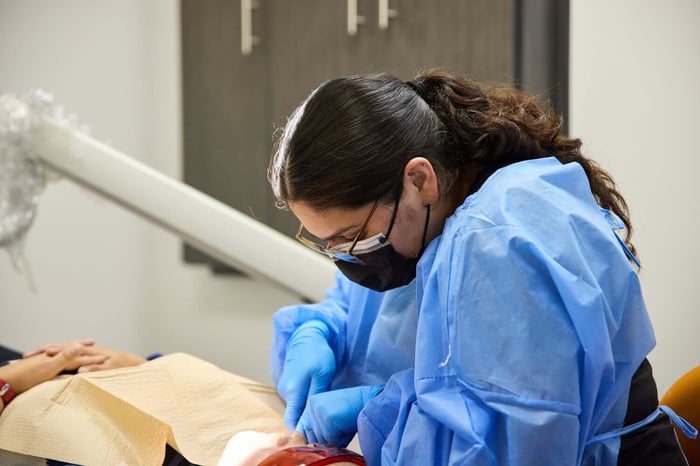
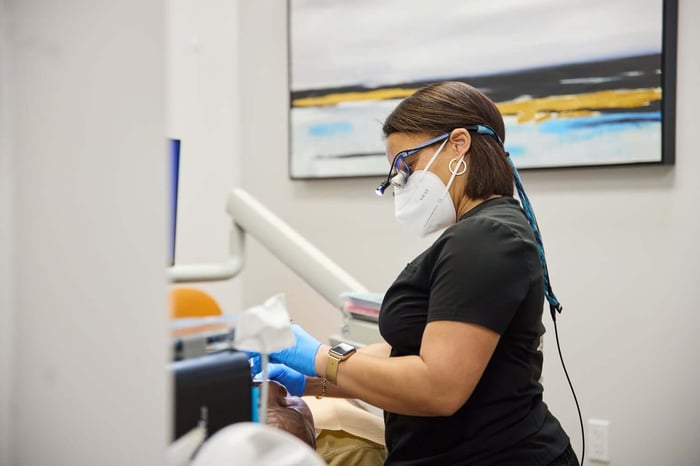
Your hygienist uses specialized hand scalers and ultrasonic instruments to clear tartar safely and thoroughly. It is a comfortable, routine process that makes a real difference in your gum health over time.
3. They Reach The Tight Spots Between Teeth Where Gingivitis Often Starts Quietly
Gingivitis does not always start where you can easily see it. It tends to develop first in the narrow spaces between teeth, where bacteria accumulate and go unnoticed for months.
The spaces between teeth are called interproximal areas
These areas are difficult to clean fully with a toothbrush alone
Even regular flossing can miss plaque buildup that sits just below the contact point
Early gum inflammation in these spots rarely causes pain at first, which is why it often goes undetected
A professional cleaning includes careful scaling between every tooth. Your hygienist works methodically through each of those tight contacts to clear away buildup that routine home care simply cannot reach as consistently.
Catching gingivitis in these hidden areas early means less inflammation and a much easier path back to full gum health.
4. They Give Your Dentist A Chance To Catch Red Flags Like Bleeding, Swelling, And Early Pockets
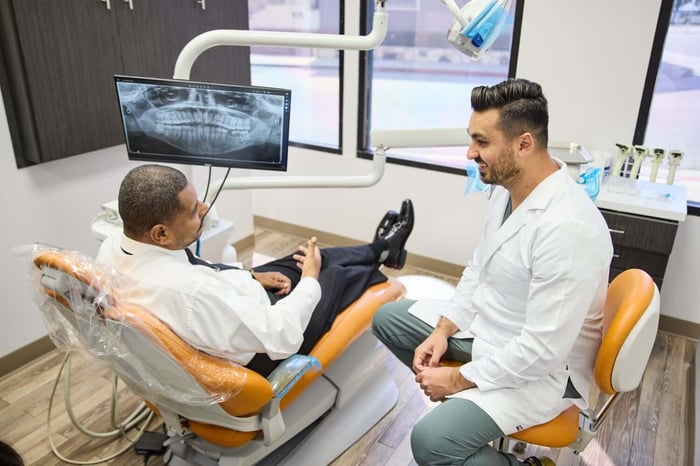
A cleaning visit is also a thorough gum health check. Your dentist or hygienist is trained to notice signs of early gingivitis that are easy to overlook on your own.
Bleeding during cleaning can signal active gum inflammation
Slight swelling or redness along the gumline is an early warning sign
Periodontal pocket depth measurements reveal whether gum tissue has started to pull away from the tooth
These assessments are completed quickly and comfortably during your routine visit
Periodontal pockets are small gaps that form between the gum and tooth when inflammation goes untreated. Healthy pockets measure around 1 to 3 millimeters. When those measurements creep higher, it is a clear signal that more focused care is needed before the situation progresses.
Catching these signs at a cleaning appointment gives you the chance to act early, when treatment is simpler and more effective.
5. They Lower The Bacterial Load That Keeps Triggering Gum Inflammation
Gum inflammation is not a one-time event. It is an ongoing response to bacteria that keep building up in your mouth. Regular cleanings significantly reduce that bacterial load and give your gums a chance to recover.
Oral bacteria multiply quickly, especially in areas where plaque is left undisturbed.
A high bacterial load keeps your gum tissue in a constant state of low-grade inflammation.n
Reducing that load allows gum tissue to calm down and heal between visits
Consistent cleanings every six months prevent bacteria from reaching levels that trigger more serious damage
Chronic bacterial buildup is also a common contributor to persistent bad breath. Lowering that bacterial environment helps your breath as well as your gum health.
Keeping bacterial levels in check through regular professional care is one of the most important things you can do for your long-term oral health.
6. They Reinforce Better Home Care With Personalized Brushing, Flossing, And Rinsing Tips
Every person's mouth is different. A cleaning visit gives your hygienist a chance to offer personalized tips that are specific to your teeth, gum health, and current habits.
Your hygienist can identify which areas you are missing most consistently at home.
They can demonstrate proper brushing angles and the most effective flossing technique for your specific tooth spacing.
Recommendations for antimicrobial rinses or water flossers can be tailored to your situation
Personalized guidance is far more useful than generic oral hygiene advice
Most people are brushing with reasonable consistency, but technique often makes a bigger difference than frequency. Holding your toothbrush at the right angle, using gentle circular strokes at the gumline, and taking enough time on each section matter more than most people realize.
These small adjustments, pointed out by someone who just examined your mouth closely, can meaningfully improve your gum health between visits.
7. They Help Protect Long-Term Oral Health By Slowing The Progression Toward Bone And Tooth Support Loss
Gingivitis is reversible. The stage that follows it, called periodontitis, is not. Regular cleanings are the most accessible way to prevent that progression from happening.
Gingivitis affects only the gum tissue and can be fully reversed with proper care
When gingivitis advances to periodontitis, it begins to affect the bone and connective tissue supporting your teeth
Bone loss from periodontal disease is permanent and can lead to tooth loosening or loss over time
Research also links untreated gum disease to broader health concerns, including cardiovascular health
Staying current with your cleanings is not just about keeping your gums from bleeding. It is about protecting the structural foundation that holds your teeth in place for life. The earlier and more consistently you maintain those visits, the more you preserve long-term.
Frequently Asked Questions
How often should I schedule dental cleanings to help keep my gums healthy?
For most patients, a cleaning every six months is a solid foundation for preventing gingivitis and gum disease. If your gums have shown signs of inflammation in the past, your dentist may suggest more frequent visits to stay ahead of buildup.
What happens during a routine cleaning, and will it be comfortable if I'm nervous?
Your hygienist will carefully remove plaque and tartar from all surfaces of your teeth, including along the gumline and between teeth. The process is designed to be gentle, and if you feel any sensitivity, just let your hygienist know so they can adjust their approach.
How do professional cleanings remove plaque and tartar that brushing can't reach?
Hygienists use specialized hand scalers and ultrasonic instruments that are designed to safely clear buildup from areas a toothbrush bristle simply cannot access. This includes the spaces between teeth, below the gumline, and around the back surfaces of molars.
What are the early signs of gum inflammation I should watch for between visits?
Redness, puffiness along the gumline, and bleeding when you brush or floss are the most common early signs. These symptoms are worth mentioning at your next cleaning so your dentist can take a closer look and offer specific guidance.
If my gums bleed when I brush or floss, does that mean I already have gum disease?
Bleeding is one of the earliest signs of gingivitis, but it does not automatically mean gum disease has developed. Catching it at this stage and scheduling a cleaning is exactly the right move, since gingivitis is fully reversible with prompt care and improved home habits.
Can regular cleanings help with bad breath and keep my smile feeling fresher day to day?
Yes. A significant portion of persistent bad breath comes from bacterial buildup on the teeth and along the gumline. Regular cleanings reduce that bacterial load, which often results in noticeably fresher breath between visits.
More Than 7 Reasons to Keep Your Cleanings Up-to-date
Regular cleanings do a lot more than polish your teeth. They remove plaque and hardened tartar that home care cannot reach, clear bacteria from the tight spaces between teeth, and give your dental team the chance to spot early warning signs before they become serious concerns.
They also reset your bacterial environment, reinforce your home care routine with personalized tips, and protect the bone and tissue that support your smile for life. Seven distinct benefits, all from one consistent habit.
At Gardena Dental Care, preventive visits are designed to be comfortable, thorough, and personalized to your specific needs. The team uses modern tools and takes the time to explain what they are seeing, so you always leave with a clear picture of your gum health and a realistic plan for maintaining it.
If you are due for a cleaning or have noticed any early signs of gum sensitivity, it may help to schedule a visit sooner rather than later. Reaching out to connect with the team is easy, and there is never any pressure to do more than what makes sense for your health. Healthy gums start with consistent care, and your team is here to support that at every stage.