A dental emergency doesn't wait for a convenient moment. One minute you're going about your day, and the next you're dealing with sharp pain, unexpected swelling, or a tooth that's been knocked loose. Knowing when to call an emergency dentist in Gardena, CA, and what to expect when you do, can make a real difference in how quickly you feel better and whether your tooth can be saved.
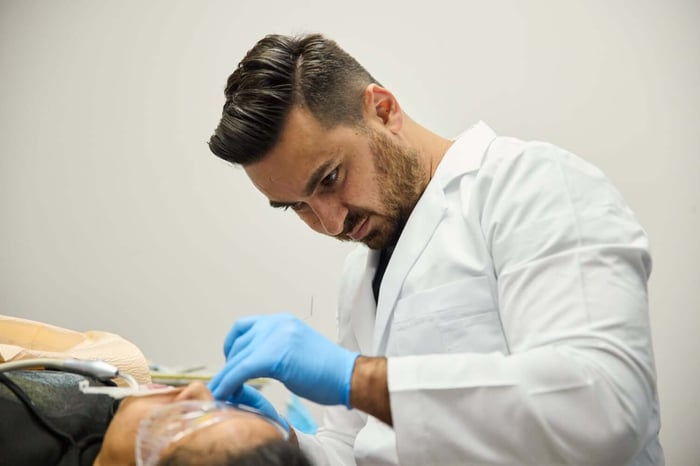
At Gardena Dental Care, our team keeps priority appointments available specifically for urgent dental situations. Led by highly trained clinicians with years of experience in emergency interventions, we combine technical expertise with a compassionate approach. Our goal is to get you seen, assessed, and comfortable as quickly as possible using evidence-based practices.
This guide will walk you through which symptoms genuinely need same-day attention, what common dental emergencies look like, how to handle the moments before your appointment, and what care may look like once you arrive.
Key Takeaways
Not every dental concern is an emergency, but certain symptoms like swelling, uncontrolled bleeding, and severe pain should never be ignored or delayed.
Acting quickly when a tooth is broken or knocked out can significantly improve your outcome.
Same-day access to a local dental office makes urgent care faster, less stressful, and more connected to your long-term oral health.
When It Cannot Wait Another Day
Some dental situations can wait for a routine appointment. Others simply cannot. Recognizing the difference protects both your comfort and your oral health.
Severe Tooth Pain, Swelling, And Signs Something Is Wrong
Pain that wakes you up, throbs without stopping, or spreads to your jaw or neck is your body signaling that something needs attention now.
Intense, persistent toothache that does not ease with over-the-counter pain relief
Swelling in the face, jaw, or around the gums
A pimple-like bump on the gums, which may indicate an abscess
Fever combined with oral pain or swelling
Difficulty opening your mouth, swallowing, or chewing
Swelling in particular can progress quickly. If it spreads toward the jaw or neck, that is a situation that needs same-day evaluation.
Bleeding, Trauma, And Teeth That Are Broken Or Knocked Loose
Unexpected trauma or injury to the mouth tends to escalate if it's not addressed promptly.
Uncontrolled bleeding from the gums or mouth
A tooth that has been chipped, cracked, broken, or knocked completely out
A tooth that feels loose without any obvious reason
Soft tissue injuries to the cheeks, tongue, or gums
Bleeding that continues after a dental procedure
A small chip may feel minor, but exposed inner tooth structure can lead to sensitivity, infection, and more significant damage when left untreated.
Why Fast Care Can Protect Your Tooth And Your Oral Health
Speed genuinely matters when a dental emergency involves trauma or infection.
Situation | Why Timing Matters |
|---|---|
Knocked-out tooth | A tooth may be re-implanted if treated within 30 to 60 minutes |
Dental abscess | Infections can spread to the surrounding tissue and bone |
Cracked or broken tooth | Delaying care increases the risk of nerve exposure and infection |
Uncontrolled bleeding | Persistent bleeding may indicate tissue damage that needs evaluation |
Loose tooth | Prompt care may help preserve the tooth before further damage occurs |
The sooner a dental emergency is treated, the more options your care team has to protect your tooth and your oral health.
The Problems Patients In Gardena Most Often Need Help With
Certain dental emergencies come up more frequently than others. Recognizing these situations helps you respond with confidence rather than uncertainty.
Knocked-Out Teeth And Other Sudden Injuries
A knocked-out tooth is one of the most time-sensitive dental emergencies a patient can experience.
Pick the tooth up by the crown, not the root
Rinse it gently with water if it is dirty, but do not scrub it
Place it back in the socket if possible, or store it in a small cup of milk
Call for an emergency dental appointment immediately
Avoid wrapping the tooth in tissue or letting it dry out
Time is the most important factor here. Getting to a dental office within the first hour gives the best chance of a positive outcome.
A Chipped Tooth Versus A Broken Tooth
Not every tooth injury looks the same, and the urgency can vary.
A chipped tooth where a small piece has come off may cause minor sensitivity, but not always immediate pain. A broken tooth, especially one that exposes the inner layer of the tooth, can be significantly more painful and more vulnerable to infection.
Both situations benefit from prompt evaluation. Even a minor chip can have sharp edges that irritate the tongue and cheeks, and what appears small on the surface may involve more damage underneath.
Chipped tooth: sensitive to air or temperature, visibly missing a small piece, sometimes painless
Broken tooth: sharp pain when biting, visible fracture, possible bleeding, increased sensitivity
Cracked tooth: intermittent pain, discomfort when releasing pressure, may not always be visible.e
Abscesses, Infections, And Emergency Tooth Extraction
A dental abscess is a pocket of infection that forms around a tooth or in the gum tissue. It is one of the more serious dental emergencies because the infection can spread.
Signs of an abscess include a persistent throbbing ache, visible swelling, a bad taste in the mouth, fever, and sensitivity to pressure. If you notice these symptoms, reaching out to an emergency dental office in Gardena the same day is important.
In some cases, treatment involves draining the infection and prescribing antibiotics. In more advanced situations, an emergency tooth extraction may be the most appropriate path to stopping the infection and relieving pain.
What To Do First While You Are Getting Help
The moments right after a dental emergency can feel disorienting. Staying calm and taking a few simple steps can make a meaningful difference.
How To Stay Calm And Get An Emergency Dental Appointment Quickly
The most important action is to call a dental office that offers same-day care as soon as possible.
Do not wait to see if the pain improves on its own when symptoms are severe.
Call during office hours first, as many practices prioritize emergency patients throughout the day.
If swelling is spreading rapidly toward the airway or throat, go directly to an emergency room.
Keep the patient as calm and still as possible while waiting
For most dental emergencies, an urgent care dentist appointment will be the right first call. Hospital emergency rooms can help with infection management, but they typically cannot perform dental procedures.
What Details To Share When You Call
When you reach the office, being clear and specific helps the team prepare for your arrival.
Describe the exact symptoms, including where the pain is, how severe it is, and when it started.
Mention whether there was trauma or injury involved
Note any visible swelling, bleeding, or changes to the tooth
Let them know if you have a fever or if the swelling is near the jaw or neck
Share any relevant medical history or medications
The more clearly you describe the situation, the faster the team can prioritize your appointment and prepare the right tools.
When Same-Day Care Matters Most
Not every dental concern requires the same-day attention, but some do.
Symptom | Urgency Level |
|---|---|
Knocked-out or displaced tooth | Call immediately |
Severe, unrelenting tooth pain | Same-day appointment |
Facial or jaw swelling | Same-day appointment |
Uncontrolled bleeding | Same-day or ER if severe |
Lost crown or filling (no pain) | Routine appointment within a few days |
Minor chip (no pain or sensitivity) | Schedule at your convenience |
Abscess or signs of infection | Call immediately |
When in doubt, calling and describing your symptoms takes only a few minutes and gives you a clear direction.
What Your Visit May Look Like Once You Arrive
Arriving for an emergency dental appointment can feel stressful, but knowing what to expect can put your mind at ease right away.
Exam, Digital Imaging, And Finding The Source Of The Problem
The first priority is understanding exactly what is happening and where the problem is coming from.
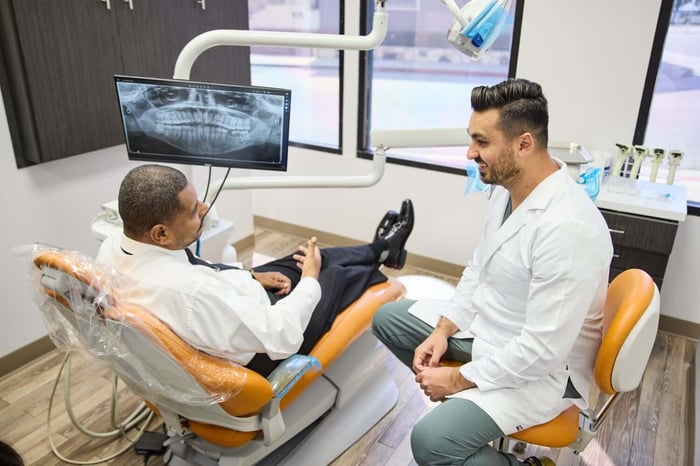
Your care team will ask about your symptoms, take a close look at the affected area, and use digital imaging to see what is not visible to the eye. This helps identify infections below the gumline, fractures that are not visible on the surface, and any structural concerns with surrounding teeth or bone.
The exam is thorough but efficient. The goal is to get to the source of the problem quickly so relief can follow.
Treatments That May Be Recommended Right Away
Depending on what the exam reveals, several treatments may be recommended during your emergency visit.
Pain relief: Addressing discomfort is typically the first priority
Dental fillings or bonding: For broken teeth where the structure can be preserved
Root canal treatment: When the nerve of the tooth is affected by infection or trauma
Drainage and antibiotics: For abscesses or active infections
Tooth extraction:* When a tooth cannot be saved, removal relieves pain and stops the spread of infection
Temporary crown or stabilization: To protect a vulnerable tooth while a longer-term plan is made
Not every visit requires a complex procedure. Sometimes, a same-day exam followed by a clear treatment plan is what a patient needs most.
Comfort, Payment Clarity, And Planning The Next Steps
Patient comfort and transparency are part of every visit, including emergency ones.
Before any treatment begins, the team will walk you through what they found and what they recommend. If costs are involved, you will receive a clear breakdown of what is expected, including any insurance estimates and your out-of-pocket responsibility, before anything proceeds.
Flexible financing options are available to help make urgent care accessible for families. After the immediate concern is addressed, the team will discuss any follow-up visits needed to complete your care.
Why Local Same-Day Access Makes A Real Difference
Having a trusted dental office close to home changes everything when a dental emergency strikes without warning.
Flexible Scheduling For Busy Families And Working Adults
A dental emergency rarely happens at a convenient time. That is why flexible access matters.
Same-day appointments for urgent situations
Extended hours Monday through Friday, with Saturday availability
After-school and after-work times for families with tight schedules
Priority scheduling so emergency patients are not left waiting
When you know a nearby office can see you the same day, the stress of a dental emergency becomes significantly more manageable.
Why A Nearby Office Can Make Urgent Care Less Stressful
Distance adds stress when someone is in pain. A local office means less time driving, less waiting, and a faster path to relief.
Patients who already have a relationship with their dental team often find emergency visits even smoother. The team knows their history, their preferences, and their level of dental anxiety. For new patients, a welcoming local practice makes it easier to trust the care you receive quickly.
Our practice maintains strict adherence to ADA and CDC guidelines, ensuring that your emergency care is delivered in a safe, sterile, and professional environment. Trust is built on transparency, and our team is committed to providing honest, expert recommendations for your long-term oral health.
Searching for an emergency dentist near me in a moment of pain is far less overwhelming when a familiar local practice is already in your contacts.
How Emergency Care Connects To Long-Term Dental Health
A dental emergency is not just an isolated event. It is an opportunity to understand what may have contributed to the problem and how to protect your oral health going forward.
After immediate concerns are addressed, many patients benefit from a complete care plan that includes restorative dental treatment, follow-up cleanings, or other services to support long-term health. Addressing a dental emergency well is often the first step toward a more stable, healthier smile. Connecting with a dental home you trust makes that next chapter easier for your whole family.
Frequently Asked Questions
How can I tell if my tooth pain needs urgent care, or if it can safely wait until tomorrow?
If your pain is severe, has been building for more than a day or two, or is accompanied by swelling, fever, or bleeding, it needs same-day attention. Mild sensitivity that comes and goes can often wait for a scheduled appointment, but when in doubt, a quick call to your dental office can help you decide.
If I don't have a regular dentist, what should I do when a dental emergency happens?
Call a local dental office that offers same-day emergency appointments and explain your symptoms clearly. Many practices, including those offering emergency dentistry services, are happy to see new patients urgently. You do not need to be an established patient to receive emergency care.
What can an emergency room actually do for a tooth problem, and when is it worth going?
Emergency rooms can prescribe antibiotics and pain medication to help manage a dental infection, but they cannot perform dental procedures like extractions or root canals. Going to the ER makes sense if swelling is spreading toward your throat or you cannot swallow, but for most dental emergencies, a dental office is the more effective first call.
What does the "3-3-3 rule" for a toothache mean, and how should I use it at home?
The 3-3-3 rule is a simple way to assess severity: if your pain rates a 3 or higher on a 10-point scale, lasts longer than 3 days, and is affecting 3 or more daily functions like eating, sleeping, or speaking, it is time to call a dental professional. It is a helpful personal check-in, but it should not replace a professional evaluation when symptoms feel serious.
Can you help if I'm worried about cost and need same-day care without dental insurance?
Yes. Many dental offices offer flexible payment plans and financing options specifically designed to make urgent care affordable. When you call to schedule, ask the front desk about your options before your appointment so you arrive feeling informed. A clear financial breakdown before treatment is part of the care experience.
What should I do right now if a tooth breaks, a filling falls out, or a crown comes off?
Rinse your mouth gently with warm water and keep the area clean. If a crown or filling has come loose, try to keep it safe and bring it with you to your appointment. Avoid chewing on that side of your mouth.
For a broken tooth with sharp edges, covering it with dental wax from a pharmacy can protect your tongue and cheeks until you are seen. Then call your dental office to schedule an appointment as soon as possible.
Dental emergencies are stressful, but knowing what counts as urgent, what to do in those first moments, and what to expect from your visit makes the experience far less overwhelming. Acting quickly protects your tooth, prevents complications, and gets you back to feeling like yourself sooner.
Gardena Dental Care is built around making care accessible and compassionate, especially when something unexpected happens. Our team keeps priority time available for urgent needs because we know that dental emergencies do not schedule themselves.
If you are in pain or something does not feel right, please do not wait. Reach out to our office anytime you have questions or feel ready to schedule, and our team will be glad to help you find your next step.