Your dentist just said the words "deep cleaning," and now you are sitting in the car trying to figure out what that actually means. You are not alone. Many patients hear this recommendation and immediately wonder if it will hurt, how much it costs, and whether it is truly necessary.
That mix of confusion and nerves is completely normal, especially when no one has walked you through the dental deep cleaning procedure step by step before.
At Gardena Dental Care, the team sees patients in this exact situation every week. Dr. Hamid Barkhordar trained at the University of Southern California (USC) School of Dentistry and the Harvard School of Dental Medicine.
He leads a practice built around clear communication and patient comfort. The Gardena office is set up so you can ask every question on your mind before anyone picks up an instrument.
Keep reading to learn why a deep cleaning is different from a regular one, what each stage feels like, how long recovery takes, and how to protect your gums afterward. If scheduling or cost is on your mind, you will find practical guidance on that too.
Why a Deep Cleaning Is Recommended
A deep cleaning is recommended when bacteria and tartar (hardened plaque) have moved below your gumline where a standard cleaning cannot reach. Your dentist bases this recommendation on measurable pocket depths around your teeth.
Needing one does not mean you neglected your teeth. It means gum disease has reached a stage that needs specific treatment.
When gum pockets, the small spaces between your teeth and gum tissue, measure four millimeters or deeper, a routine cleaning is no longer enough.
Those deeper pockets trap bacteria that cause inflammation and can quietly damage the bone supporting your teeth. The goal of a deep cleaning is to stop that damage before it leads to tooth loss.
How It Differs From a Routine Dental Cleaning
A routine dental cleaning focuses on the surfaces of your teeth and just above the gumline. It is preventive care designed for healthy gums. A deep cleaning goes further, reaching below the gumline to treat existing gum disease.
Feature | Routine Cleaning | Deep Cleaning |
|---|---|---|
Where it cleans | Above and at the gumline | Below the gumline and tooth roots |
Why it is done | Prevent plaque buildup | Treat gum disease already present |
Anesthesia used | Rarely | Local anesthetic is common |
Number of visits | Usually one | Often split into two visits |
Typical frequency | Every six months | As needed based on pocket depth |
Signs of Gum Disease Your Dentist May Be Seeing
You might not notice the early warning signs yourself. Your dentist or hygienist is trained to spot changes that are easy to miss at home.
Bleeding gums when you brush or floss
Red, swollen, or tender gum tissue
Gums that have pulled away from your teeth (gum recession)
Persistent bad breath that does not go away with brushing
Loose teeth or a shift in your bite
Pocket depths of four millimeters or more
According to the CDC, about four in ten U.S. adults aged 30 and older have some level of periodontal disease. It is far more common than most people think.
When Gingivitis Becomes Periodontitis
Gingivitis, the earliest stage of gum disease, causes inflammation but no permanent bone loss. At this point, the condition is reversible with professional cleanings and better home care. If left untreated, gingivitis can progress to periodontitis, a chronic condition that breaks down the bone and ligaments holding your teeth in place.
Periodontitis cannot be reversed, but it can be managed and slowed with the right treatment. That is exactly what a dental deep cleaning procedure is designed to do. Knowing what actually happens during the appointment makes the process feel far less intimidating.
What Happens During the Dental Deep Cleaning Procedure
Most of the anxiety around a deep cleaning comes from not knowing the steps. Once you see the process laid out, it tends to feel much more manageable than you imagined.
The procedure is formally called scaling and root planing (SRP). Scaling removes tartar and bacteria.
Root planing smooths the tooth roots so gums can reattach more easily. Your dental hygienist or periodontist (a gum specialist) handles both stages, often in the same visit per side of your mouth.
Checking Gum Pockets and Numbing the Area
Before anything else, your provider measures each gum pocket using a small probe. This confirms which teeth need treatment and how deep the pockets are. You may have already had this measurement done at a previous checkup.
Next, a local anesthetic (numbing agent) is applied to the area being treated. The goal is to keep you comfortable while your provider works below the gumline. If you are someone who gets nervous about needles or numbness, you can ask about sedation dentistry options before the appointment.
Scaling: Removing Plaque and Tartar Below the Gumline
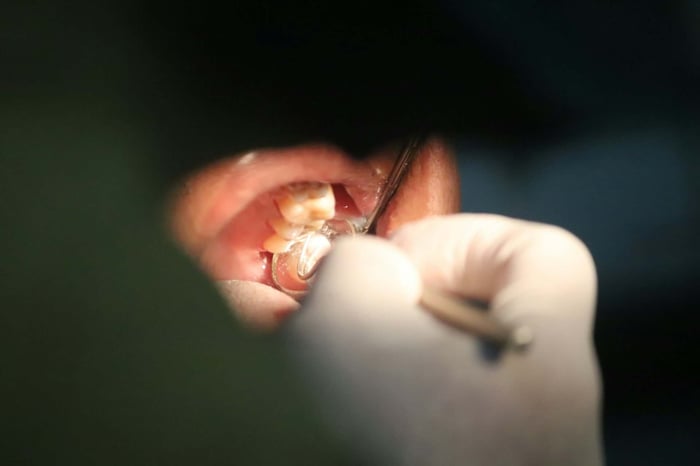
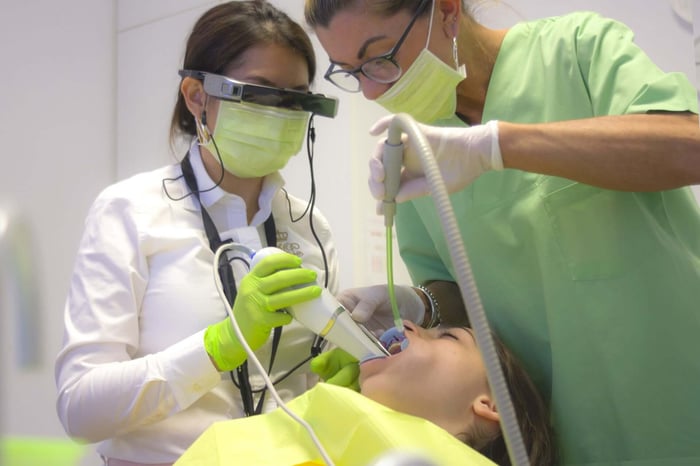
Your provider uses specialized instruments called scalers and curettes to carefully scrape away tartar deposits from the tooth surfaces below the gumline. Many offices also use an ultrasonic scaler, a vibrating tool that breaks up tartar with sound waves and a stream of water.
You may hear scraping or feel light vibrations, but the numbness keeps discomfort to a minimum. The process is thorough, targeting buildup that your toothbrush and floss simply cannot reach. This step is the core of the deep dental cleaning process.
Root Planing: Smoothing the Tooth Roots
After tartar is removed, the provider smooths the root surfaces of your teeth. This step is called root planing. Rough root surfaces give bacteria easy places to cling to, so smoothing them helps your gums heal and reattach to the tooth.
Root planing also reduces the depth of gum pockets over time. As the gums tighten around cleaner, smoother roots, there is less space for bacteria to hide. The combination of scaling and root planing sets the stage for real healing, which brings up the next question most patients ask: does it hurt?
Does It Hurt and How Long Does It Take
With a local anesthetic in place, most patients feel pressure and vibration rather than sharp pain. Your comfort level depends on the severity of buildup and your personal sensitivity, but the procedure is designed to be tolerable.
A full deep cleaning typically takes one to two hours if done in a single visit. Many practices split the work into two visits, treating one half of the mouth at a time. Each visit usually lasts 45 minutes to an hour.
What Most Patients Feel During Treatment
During the appointment, you may notice:
A tugging or scraping sensation, even with numbness
Cool water from the ultrasonic tool
Mild jaw fatigue from keeping your mouth open
Brief moments of tooth sensitivity when instruments reach deeper pockets
After the anesthetic wears off, some soreness and minor bleeding are normal. These symptoms usually fade within a few days.
Why It May Be Done in Sections
Splitting the procedure into two visits has a practical purpose. It keeps each session shorter and allows one side of your mouth to heal while the other side is treated. For Gardena families juggling work and school schedules, this also means two shorter appointments may be easier to fit in than one long one.
If your gum disease is mild, your provider may be able to complete everything in one sitting. Your dental team will let you know ahead of time so you can plan accordingly.
Questions to Ask if You Feel Nervous
Feeling anxious before dental work is not a sign of weakness. It is one of the most common reasons people delay care. Before your appointment, consider asking your provider:
"Can you explain each step as you go?"
"What numbing options do I have?"
"Can I raise my hand to take a break?"
"Will I be able to drive myself home afterward?"
These small conversations help you feel in control. Knowing what recovery looks like is the next piece that helps patients relax before their visit.
What Recovery and Healing Usually Look Like
Most patients feel noticeably better within a week. The first 48 to 72 hours are the most sensitive period, and symptoms gradually ease from there.
Your body is healing tissue that has been inflamed for weeks, months, or even years. A short recovery period is a fair trade for stopping the progression of gum disease and protecting your teeth long term.
After Deep Cleaning: Normal Short-Term Symptoms
In the days following your procedure, you may experience:
Mild to moderate gum soreness
Light bleeding when brushing or flossing
Temporary tooth sensitivity to hot and cold
Slight swelling around treated areas
These symptoms are expected and typically resolve within five to seven days. Over-the-counter pain relief and warm saltwater rinses can help. Your dental team will give you specific aftercare instructions before you leave.
When to Call the Dental Office
Most side effects are minor, but there are a few signs worth calling about. Contact your dental office if you notice heavy bleeding that does not slow down after 20 minutes of gentle pressure, increasing swelling several days after treatment, or a fever. These could signal that the area needs attention.
It is always better to call and find out everything is fine than to wait and worry. The office prioritizes these kinds of follow-up calls and can usually fit you in quickly if needed.
How Healing Supports Better Gum Health
As your gums heal, they tighten around your teeth and gum pockets begin to shrink. This means less space for bacteria and a stronger foundation for your teeth. Many patients notice that their gums look pinker and feel firmer within a few weeks.
The advantages of a deep cleaning are real: reduced inflammation, healthier gum tissue, and a lower risk of tooth loss. The key to keeping those results is what you do at home every day after the procedure.
How to Care for Your Gums Afterward
Your daily habits after a deep cleaning matter just as much as the procedure itself. Consistent home care is the best way to prevent gum disease from returning.
Think of the deep cleaning as a reset. It removed the buildup your body could not handle on its own. Now your job is to keep new plaque from settling back in.
Your Daily Oral Hygiene Routine
Brush twice a day using a soft-bristled toothbrush and fluoride toothpaste. Spend at least two minutes each time, angling the bristles toward your gumline. Floss once daily to remove plaque from between your teeth where your brush cannot reach.
An antimicrobial mouthwash with stannous fluoride can add another layer of protection. It helps reduce bacteria and strengthens enamel at the same time. Combining professional treatment with good home care is the most effective way of managing periodontal disease.
Tools That May Help Keep Plaque From Coming Back
You do not need to buy every gadget on the shelf. A few targeted upgrades can make a meaningful difference.
Tool | How It Helps |
|---|---|
Electric toothbrush | Provides consistent brushing motion and a timer |
Dental floss or Glide floss | Slides between tight contacts more easily |
Interdental brushes | Cleans wider gaps where floss may miss |
Water flosser | Flushes bacteria from deeper gum pockets |
Stannous fluoride toothpaste | Fights bacteria and reduces sensitivity |
If you are recovering from a deep cleaning and have composite fillings or dental bonding, your provider may suggest specific products that are gentle on those restorations.
Follow-Up Visits, Maintenance, and Insurance Questions
Your dentist will likely schedule a follow-up visit four to six weeks after treatment. This appointment checks how your gums are healing and whether pocket depths have improved. Many patients with a history of gum disease are placed on a periodontal maintenance schedule, usually every three to four months instead of the standard six.
If cost is a concern, most dental insurance plans cover deep cleanings when they are medically necessary.
Your team can provide a clear financial breakdown before treatment begins. For patients without insurance, financing and payment plan options can help spread the cost so you do not have to delay care.
Staying on top of your maintenance visits is the single best way to avoid needing another deep cleaning later, and that is worth the investment.
A Calm Next Step for Gardena Patients
Choosing a provider you trust makes a meaningful difference when you are facing a procedure that feels unfamiliar. A calm, experienced team can turn a stressful appointment into a manageable one.
Why Provider Trust Matters for Periodontal Care
Periodontal care is not a one-and-done visit. It often involves ongoing checkups, honest conversations about your gum health, and personalized treatment plans that adapt over time. You deserve a dental team that explains each step, answers every question, and never rushes you through a decision.
Dr. Hamid Barkhordar and the team at Gardena Dental Care focus on continuing education and modern tools to keep your experience comfortable and efficient. That combination of clinical skill and genuine warmth is exactly what nervous patients need.
When It Makes Sense to Book Your Visit
If your dentist has already recommended a deep cleaning, the best time to schedule is before the condition progresses further. Waiting does not make gum disease go away. It gives bacteria more time to do damage. Early treatment is simpler, faster, and less expensive than advanced periodontal care.
Saturday and same-day appointments are available. The office works with you on scheduling and payment so that fitting care into your family's routine feels realistic, not stressful.
Ready to talk through your options with a dentist who actually listens? Call Gardena Dental Care at (424) 295-7885 or request an appointment online. Saturday and same-day appointments are available.
Frequently Asked Questions
How Do I Know if My Gums Need More Than a Regular Cleaning?
Your dentist measures the depth of gum pockets during checkups. Healthy pockets are one to three millimeters deep. If your pockets measure four millimeters or more, or if there are signs of tartar below the gumline, a deep cleaning is typically recommended over a standard cleaning.
How Much Does It Usually Cost if I Don't Have Dental Insurance?
The cost of a deep cleaning varies depending on how many areas (quadrants) of your mouth need treatment. Your dental team can give you a clear cost breakdown before treatment begins. Many dental offices, including those in Gardena, offer payment plans and financing to help make treatment affordable.
What Are the Downsides or Risks I Should Know About Ahead of Time?
Side effects are generally mild: temporary tooth sensitivity, sore gums, and light bleeding for a few days. In rare cases, gum recession may become more noticeable after swelling goes down because the tissue was inflamed before treatment. These effects are typically outweighed by the long-term benefit of healthier gum tissue and bone preservation.
What Should My Gums and Teeth Look and Feel Like Before and After Treatment?
Before treatment, you may notice red, puffy, or bleeding gums and persistent bad breath. After healing, your gums should look pinker, feel firmer, and bleed less during brushing and flossing. Pocket depths usually decrease at your follow-up visit, which confirms that the treatment is working.