
You notice it every time you smile in the mirror: a small chip on your front tooth or a narrow gap that catches your eye. It might not cause pain, but it nags at your confidence. Dental bonding is one of the simplest, most affordable ways to fix that kind of cosmetic flaw in a single visit.
If you have been putting it off because you are unsure how dental bonding works or what it costs, you are in the right place.
Family dental teams across Gardena and nearby communities see these exact concerns every week.
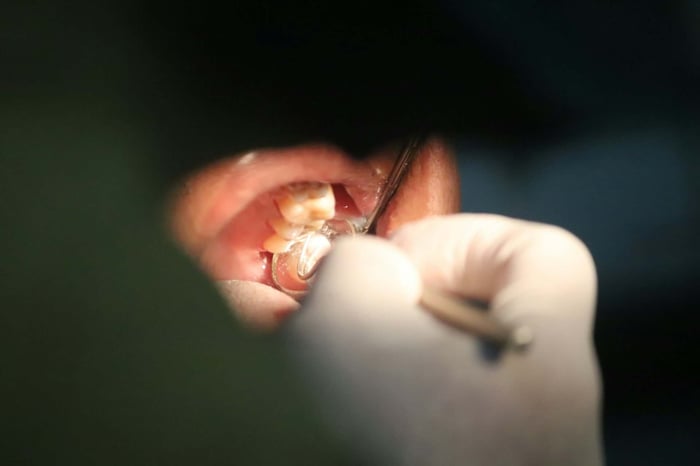
Dentists use tooth-colored composite resin (a moldable material that matches your natural teeth) to reshape chips, close small gaps, and cover stubborn stains. The process is gentle, and most visits wrap up in under an hour.
Keep reading to learn what bonding can and cannot fix, what happens during the appointment step by step, how results compare to porcelain veneers, and what a realistic cost range looks like.
Whether you are weighing your budget, trying to fit an appointment around work or school, or just want to feel better about your smile, this guide covers the details that matter most.
What Bonding Can Fix and When It Makes Sense
Dental bonding works well for minor cosmetic and structural issues that do not require a full crown or veneer. It is one of the most versatile tools in restorative dentistry, and it handles a surprising range of everyday tooth problems.
The key is matching the right fix to the right problem. Bonding shines for small repairs, but larger damage may call for a different approach.
Small Chips, Minor Cracks, and Worn Edges
A chipped front tooth from biting into something hard is one of the most common reasons people ask about bonding.
The dentist applies composite resin directly to the damaged area and sculpts it to restore the original shape. Minor cracks and worn edges respond well too, as long as the tooth structure underneath is still healthy.
If the chip or crack extends into the tooth's inner layer, called dentin (the softer tissue beneath your enamel), your dentist will check whether bonding alone can hold up. Small surface-level damage is the sweet spot for this dental procedure.
Tiny Gaps, Uneven Shapes, and Stubborn Stains
Bonding also corrects cosmetic issues that teeth whitening alone cannot fix. A narrow gap between your two front teeth, a tooth that looks slightly shorter than its neighbors, or a dark spot from a childhood injury can all be addressed.
Here are some of the most common uses for tooth bonding:
Closing a small gap between teeth without orthodontics
Building up a tooth that looks uneven or undersized
Covering permanent discoloration that bleaching cannot remove
Smoothing rough or pitted enamel surfaces
Protecting an exposed root that causes sensitive teeth
For Gardena families weighing whether a single appointment can solve the issue, bonding often checks that box without a big time or budget commitment.
When a Bigger Dental Restoration May Be Better
Bonding has limits. If a tooth is severely broken, heavily decayed, or needs structural reinforcement, your dentist may recommend a crown, inlay, or veneer instead. Large areas of tooth decay (damage caused by bacteria eating away at enamel) weaken the tooth in ways that a thin layer of resin cannot support long-term.
A restorative dental treatment like a crown wraps around the entire tooth for added strength. Knowing the boundary between bonding and bigger repairs helps you walk into the appointment with realistic expectations.
How Dental Bonding Works Step by Step
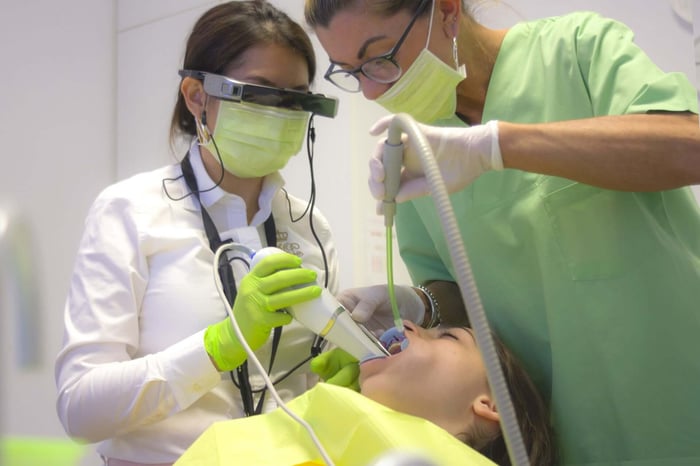
Most dental bonding appointments take 30 to 60 minutes per tooth, and anesthesia is usually not needed unless the bonding is near a sensitive area or filling a cavity. That means you can fit it into a lunch break or an after-school window without rearranging your whole day.
Shade Matching and Tooth Preparation
Your dentist starts by selecting a composite resin shade that blends with your natural teeth. A shade guide is held up against your tooth to find the closest match.
Next, the tooth surface is lightly roughened with a mild conditioning liquid. This etching step creates tiny grooves in the enamel (the hard outer layer of your tooth) so the bonding agent (a liquid adhesive) can grip tightly. The prep is quick and gentle for most patients.
If you feel anxious about any part of the process, sedation dentistry options can help you stay relaxed.
Placing and Sculpting the Composite Resin
Once the tooth is prepped, the dentist applies the tooth-colored resin in small layers. Each layer is carefully shaped by hand to rebuild the missing structure or close the gap.
This sculpting step is where the artistry happens. The dentist molds the resin to match the curves and contours of your surrounding teeth. A good result depends on both the material and the skill of the person applying it.
The composite resin used today is similar to the material in tooth-colored fillings, so you may already be familiar with the look and feel if you have had a tooth-colored filling placed before.
Hardening, Smoothing, and Final Bite Check
After each layer is sculpted, a curing light (a small, bright UV or LED light) is held against the resin for about 20 to 40 seconds. The light hardens the material in seconds. This is why the bonding process moves so quickly.
Once the resin is solid, the dentist trims away any excess, smooths the edges, and polishes the surface to match the sheen of your surrounding enamel. You will be asked to bite down a few times so the dentist can check that everything lines up comfortably.
You leave the office with a finished result, no temporary restoration and no second visit needed. That single-visit convenience is one reason bonding appeals to busy Gardena families balancing work, school, and daily routines.
Benefits, Limits, and How Long Results Usually Last
Bonding gives you a noticeable improvement with minimal time in the chair. But it is not a permanent solution for every situation, and knowing its limits up front helps you plan ahead.
Why Many Patients Choose Bonding First
The appeal of bonding comes down to three things: speed, comfort, and cost. Here is how it stacks up on the factors most patients care about:
Factor | Dental Bonding | Porcelain Crown |
|---|---|---|
Visits needed | 1 | 2 or more |
Anesthesia required | Rarely | Usually |
Tooth removal | Very little enamel | More enamel removed |
Typical cost per tooth | $100 to $400 | $800 to $3,000 |
Time in the chair | 30 to 60 minutes | 60+ minutes per visit |
For a single chipped or gapped tooth, bonding is often the most practical first step. It preserves more of your natural tooth structure than most alternatives.
Where Bonding Can Wear, Chip, or Stain
Composite resin is durable, but it is not as hard as porcelain or natural enamel. Over time, bonded areas can pick up stains from coffee, tea, red wine, or tobacco. They can also chip if you bite into very hard foods or have a habit of chewing on pens or ice.
Good oral hygiene (brushing twice daily and flossing) helps your bonding last longer. Avoiding habits like nail-biting protects the resin edge from chipping. If a bonded tooth does stain or chip, the repair is usually quick and affordable.
How Long Does Dental Bonding Last in Daily Life
With normal care, dental bonding typically lasts between 5 and 10 years before it needs a touch-up or replacement. Your lifestyle, diet, and oral hygiene habits all play a role in that timeline.
Regular dental check-ups give your dentist a chance to inspect bonded teeth for early signs of wear. Small issues are easier and less costly to fix when caught early.
The realistic takeaway: bonding is not forever, but it gives you years of improved appearance at a fraction of the cost of more permanent options. Understanding how it compares to veneers helps you decide which path fits your goals.
Dental Bonding vs. Veneers: How to Choose
Both bonding and veneers improve the look of your front teeth, but they differ in material, process, and longevity. Choosing between them depends on what you want to fix and how long you want results to last.
Appearance, Durability, and Tooth Preparation
Porcelain veneers (thin shells custom-made in a lab) resist stains better than composite resin. They also hold their shape and shine longer. Bonding can look just as natural on day one, but it may need touch-ups sooner.
Veneers require removing a thin layer of enamel so the shell sits flush against your tooth. That step is irreversible. Bonding removes very little enamel, which makes it a more conservative option if you are not ready for a permanent change.
Feature | Dental Bonding | Porcelain Veneers |
|---|---|---|
Material | Composite resin | Porcelain |
Stain resistance | Moderate | High |
Average lifespan | 5 to 10 years | 10 to 15 years |
Enamel removal | Minimal | More significant |
Visits required | 1 | 2 to 3 |
Cost per tooth | $100 to $400 | $925 to $2,500 |
One Visit vs. Multiple Dental Visits
Bonding is completed in a single appointment. Veneers require at least two dental visits: one for prep and impressions, another for placement after the lab creates your custom shells.
For families juggling after-school pickups and work schedules, the single-visit convenience of bonding can be a deciding factor. If you have the flexibility for multiple visits and want longer-lasting results, veneers may be worth the investment.
Who May Be a Better Fit for Veneers
Veneers tend to be a better choice when you want to change the shape, color, or alignment of several front teeth at once. If your teeth have deep, widespread staining or significant size differences, the uniform coverage of porcelain creates a more consistent look.
Your dentist can walk you through both options and help you pick based on your goals and budget. Flexible payment plans can keep cost from being the only factor driving your decision.
Cost, Care, and the Next Step
Bonding is one of the most budget-friendly cosmetic dental procedures available, and taking care of your results at home is straightforward.
Typical Cost Range and What Affects Price
Tooth bonding usually costs between $100 and $400 per tooth. The price depends on the location of the tooth, the size of the repair, and the complexity of the shaping involved.
Dental insurance sometimes covers bonding for structural reasons, such as repairing a broken tooth. Cosmetic-only bonding is less likely to be covered, but it remains affordable compared to other options. Ask your dental office for a clear cost breakdown before treatment to avoid surprises.
How to Care for Bonded Teeth at Home
Caring for bonded teeth is similar to caring for natural teeth. Brush twice a day with a soft-bristled toothbrush and floss once daily.
These habits help your bonding last longer:
Avoid biting directly into very hard foods like ice or hard candy
Cut apples and carrots into smaller pieces instead of biting with your front teeth
Use a non-abrasive toothpaste to avoid scratching the resin surface
Limit coffee, tea, and red wine, or rinse with water right after drinking them
Skip tobacco products, which stain resin faster than natural enamel
Good oral hygiene protects both your bonding and the tooth underneath it.
When to Schedule Regular Dental Check-Ups
Plan to see your dentist every six months for a professional cleaning and exam. These visits let your dentist spot any wear, staining, or small chips in the bonded area before they become bigger issues.
If you grind your teeth at night, mention it at your next visit. A night guard can protect both your natural teeth and any bonded surfaces. Consistent dental visits help you get the most years out of your results.
Frequently Asked Questions
How Long Can Dental Bonding Last Before It Needs a Touch-Up or Replacement?
Dental bonding typically lasts between 5 and 10 years with proper care. Your habits matter: avoiding hard foods, keeping up with brushing and flossing, and seeing your dentist regularly all help extend the lifespan. Small repairs along the way are quick and inexpensive.
What Are the Most Common Downsides or Risks of Dental Bonding?
The composite resin can stain over time from coffee, tea, or tobacco. It can also chip if you bite into something very hard. Bonding is not as strong as porcelain, so it works best for small to moderate repairs rather than full-tooth coverage.
Will Dental Insurance Help Pay for Bonding, and When Is It Usually Covered?
Insurance is more likely to cover bonding when it repairs a broken or decayed tooth. Purely cosmetic bonding, such as closing a gap for appearance, may not be covered. Check with your provider and ask your dental office for an estimate before your visit. You can also read about using dental benefits before they expire to help manage the out-of-pocket cost.
What Kind of Results Should I Expect, and What Do Before-and-After Changes Often Look Like?
After bonding, the treated tooth should blend naturally with the teeth around it in shape, size, and color. Small chips look whole again, narrow gaps disappear, and stained spots are covered. Results look natural as long as the shade is matched carefully and the resin is polished well.
Your Smile Fix May Be Simpler Than You Think
Now that you know how dental bonding works, a fast and affordable fix for a chipped tooth, a small gap, or a stubborn stain is within easy reach. The process is gentle, usually finished in one visit, and preserves more of your natural tooth than other options. For many Gardena families, it is the practical first step toward feeling confident about their smile again.
When you are ready, call Gardena Dental Care at (424) 295-7885 or request an appointment online. Dr. Hamid Barkhordar, trained at USC and Harvard, and the rest of the team are happy to walk you through your options, explain costs up front, and find a payment plan that fits your family. Saturday and same-day appointments are available whenever your schedule allows.