
You check your smile in the mirror before a family get-together and realize your teeth look a bit more yellow than you expected. Maybe coffee's to blame, or maybe you just never noticed before. Either way, you're left wondering if whitening is legit, if it's safe, and if it's going to be worth the cost.
Cost is a pretty big deal for a lot of folks in Gardena. Here's the upside: a family dental practice in Gardena can actually guide you through the options, including which products are worth considering and which ones just don't deliver.
Whether you've got insurance or you're paying out of pocket, the conversation doesn't have to be all about sticker shock.
So, how does teeth whitening really work? What stains can it fix? And is professional treatment actually better than those kits from the drugstore? Let's dig into the chemistry, the types of stains, and which options might fit your budget in Gardena.
The Science Behind a Brighter Smile
At its core, teeth whitening is all about a chemical reaction that breaks up the stuff that darkens your teeth. Once you get that, the rest falls into place.
How Peroxide Lifts Stains From Enamel
Your teeth have two main layers: enamel on the outside and dentin underneath. Stains can settle into both. Whitening gels use peroxide, which releases oxygen molecules as soon as it hits your teeth.
These molecules sneak through the microscopic spaces in enamel and break up the pigmented compounds (chromogens) that have collected inside.
That's how your teeth start to look lighter: it's not just scrubbing the surface. This goes deeper than what a toothbrush can handle.
Why Hydrogen Peroxide and Carbamide Peroxide Are Used
Most whitening products rely on either hydrogen peroxide or carbamide peroxide. According to the American Dental Association's overview of whitening agents, carbamide peroxide eventually turns into hydrogen peroxide, which does the heavy lifting.
Professional whitening at a dental office uses a stronger hydrogen peroxide concentration than what you'll find in over-the-counter strips. Dentists might send you home with custom trays and carbamide peroxide gel. Both methods use oxidation to break up stains: the main difference is how fast and how strong the results are.
Why Results Depend on Stain Type and Tooth Color
Not all teeth react the same way, and that's just how it goes. The type of stain, your natural enamel shade, and the thickness of your dentin all matter. Yellow stains from food and drinks usually respond best. Gray, brown, or white-spot stains can be stubborn and might need more sessions or a different plan.
Knowing what you're dealing with helps you choose the right approach.
Which Stains Respond Best to Whitening
Discoloration isn't all the same. Understanding stain types can save you time and money before you buy anything.
Extrinsic Stains vs Intrinsic Stains
Extrinsic stains sit on the enamel's surface, usually from coffee, tea, red wine, tobacco, and similar stuff. Whitening products reach these stains quickly. Even whitening toothpaste can help with mild extrinsic stains if you use it regularly.
Intrinsic stains are inside the tooth, buried in the enamel or dentin. They might come from aging, antibiotics like tetracycline, fluorosis, or past trauma. These are tougher to lighten and often need longer treatment or stronger products to see any real change.
Why Brown, Gray, and Fluorosis Stains Can Be Harder to Lighten
Brown stains from fluorosis may get better with bleaching, but white-spot fluorosis stains might stand out more as the rest of the tooth lightens. Gray stains from tetracycline can fade, but the ADA points out that tetracycline stains may need three to four months of nightly bleaching to see a difference.
If your stains are from these harder-to-treat causes, whitening alone probably won't get you where you want. It's smart to have a dentist look before spending money on products that might not work for you.
When Crowns, Veneers, and Fillings Change the Plan
Whitening gel only affects natural tooth structure. If you've got dental crowns, veneers, composite fillings, or implants, those won't change color. Your natural teeth will lighten, but the restorations stay the same shade they were when placed.
This can lead to a mismatch. If you have dental work, let your dentist know before you start whitening.
Stain Type | Common Cause | Whitening Response |
|---|---|---|
Yellow surface stains | Coffee, tea, tobacco | Good to excellent |
Brown stains | Aging, some fluorosis | Moderate |
Gray stains | Tetracycline, old trauma | Slow, may need months |
White spots | Fluorosis, orthodontics | Mixed; may worsen briefly |
Restoration discoloration | Crowns, veneers, fillings | Does not respond to whitening |
Once you know your stain type, the next step is figuring out which whitening method fits your life and wallet.
Comparing In-Office and At-Home Options
There are so many whitening products out there, it can get overwhelming fast. Here's a quick rundown of how the main options stack up.
Professional Whitening and In-Office Bleaching
In-office whitening is the quickest way to see a real change. The dentist puts high-concentration hydrogen peroxide gel on your teeth, sometimes using a light or heat to speed things up. It usually takes about an hour, and you'll see results right away, definitely more dramatic than anything you'll get at home.
The catch? It costs more upfront than store kits. If you're curious about professional teeth whitening in Gardena, the office can show you what's involved and what you might pay. Medi-Cal doesn't usually cover whitening, but payment plans or membership discounts can help make it doable.
Custom Trays, Home Whitening Kits, and Whitening Strips
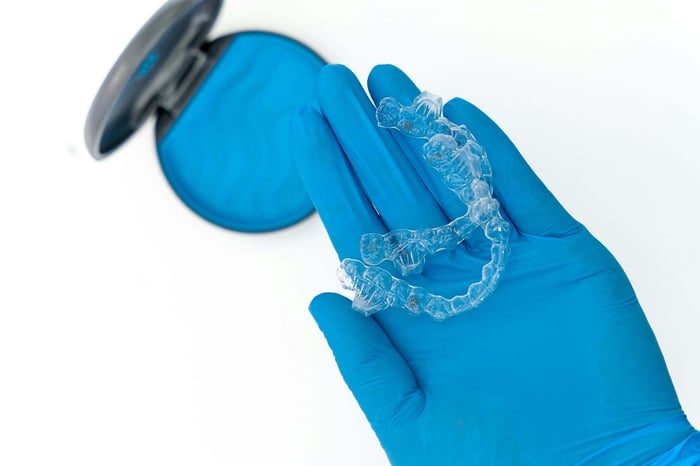
Custom trays from the dentist use a pro-level carbamide peroxide gel you wear at home, usually overnight or for a few hours daily over a week or two. The custom fit keeps the gel where it should be and off your gums.
Over-the-counter strips use less peroxide and are worn about 30 minutes a day for a couple of weeks. They work for mild surface stains, but results are less dramatic, and strips can slip around, especially if your teeth aren't perfectly straight.
Whitening Toothpaste, Whitening Pens, and OTC Products
Whitening toothpastes mostly use gentle abrasion and sometimes a little peroxide. They're good for preventing new stains, not for fixing old ones. Think of them as maintenance, not a solution.
Whitening pens and paint-on gels are handy, but they only cover your teeth briefly, so don't expect much. They're better for touch-ups after you've already whitened.
In-office whitening: Fastest, most noticeable results, one appointment
Custom dentist trays: Strong results, moderate time, better fit than strips
OTC whitening strips: Mild improvement, good for light stains, affordable
Whitening toothpaste: Maintains and prevents, doesn't treat deep stains
Whitening pens: Best for touch-ups only
Is Whitening Safe for Most People
For most healthy adults, whitening is safe if you follow the directions. Still, there are a few things to keep in mind.
Common Side Effects Like Temporary Sensitivity and Gum Irritation
Temporary sensitivity is the most common side effect. It usually peaks during or just after whitening and fades in a day or two. Peroxide opens up tiny channels in enamel for a bit, making teeth react more to hot, cold, or sweet foods.
Gum irritation happens if the gel touches your gums. Custom trays help keep gel off your gums, but strips are harder to control and can cause some redness. The ADA points out that OTC whitening products can irritate gums if the gel gets where it shouldn't.
Who Should Pause and Get a Dental Check First
Some people should check with a dentist before whitening. If you have untreated cavities, cracked teeth, gum disease, or a lot of sensitivity, whitening could make things worse. A quick dental checkup is the right move if you're unsure your mouth is ready.
Pregnant patients and kids who still have baby teeth or mixed dentition should hold off until a dentist gives the go-ahead. If you've had a lot of dental work on your front teeth, ask how whitening might affect those areas.
How to Use Whitening Treatments More Safely
A few habits make things easier: use fluoride or desensitizing toothpaste before and after whitening. Don't overdo it: stick to the product's recommended schedule. If sensitivity gets annoying, take a day or two off. Products with the ADA Seal of Acceptance have been checked for safety and effectiveness.
It's one thing to know whitening is safe; it's another to know what it can realistically do for your teeth.
What Whitening Can and Cannot Do
Whitening works for certain stains, but it's not a cure-all. Setting realistic expectations saves a lot of disappointment.
Realistic Results and How Long They Usually Last
Most people with surface stains see a real difference after a full round of whitening. Professional results usually last six months to a year, sometimes longer, depending on what you eat and drink. Coffee, red wine, tobacco, and dark sauces are the main culprits for re-staining.
Maintenance is key. Use whitening toothpaste, rinse after stain-heavy foods and drinks, and keep up with dental cleanings. A touch-up at home every few months can help keep your teeth looking bright.
Why Whitening Doesn't Change Restorations
Bleaching agents only work on natural tooth enamel and dentin. Porcelain, ceramic, and composite materials in crowns, veneers, and fillings don't react to peroxide.
If you whiten after getting restorations, your natural teeth might end up lighter than the dental work. Whitening before dental work lets your dentist match the restoration to your new shade.
It's worth chatting with your dentist about timing if you're planning both whitening and new dental work.
When Stain Removal Isn't Enough
Some stains just don't budge with whitening. Deep discoloration from tetracycline, trauma, or structural issues usually needs a different fix. Porcelain veneers and dental bonding can cover stubborn stains when bleaching doesn't cut it.
DIY trends like activated charcoal or oil pulling aren't backed by solid research for whitening, and some can even wear down enamel if you overdo it. Honestly, it's better to skip those and stick with what's proven to work.
Choosing the Most Practical Next Step
The right approach depends on your starting point, how fast you want results, and your budget.
When Store-Bought Options Make Sense
If your teeth are healthy and stains are mild and on the surface, over-the-counter whitening strips from a reputable brand can be a good way to start. Look for the ADA Seal of Acceptance. Just keep your expectations in check: strips help with coffee and tea stains, but not with anything deeper.
If your cleanings are up to date and your last checkup was clear, most adults can safely try an OTC product.
When Professional Help Might Be Smarter
If strips haven't worked for you, your stains are more than mild, or you have dental work on visible teeth, talking with a dentist first can save you money and frustration. Buying product after product that doesn't fit your needs adds up fast.
One professional consult can pinpoint what's causing the discoloration and match you with an approach that actually fits. If your periodontal health or existing dental work could affect whitening, it's better to know before you start.
A Low-Pressure Path Forward for Gardena Patients
You don't have to commit to anything during a consultation. Ask about what in-office whitening involves, what it costs, and whether you're a good candidate right now. If price is a sticking point, see if there's an in-house membership plan for patients without insurance.
Whitening is one of the more approachable cosmetic options, and getting the facts before spending money on your own is just smart.
Frequently Asked Questions
Here are the questions people in Gardena ask most often before deciding if teeth whitening is worth it.
What's the Difference Between In-Office Whitening and At-Home Trays from the Dentist?
In-office whitening uses a strong peroxide gel applied by a dental professional, usually giving you noticeable results in about an hour. Dentist-made take-home trays use a professional-strength but milder gel you apply at home for a week or two. Both work with peroxide; the main differences are speed, cost, and convenience.
How Long Does It Take to See a Shade Change, and How Long Do Results Last?
In-office whitening usually shows results in one visit. At-home trays with professional gel take about one to two weeks. OTC strips might take two to four weeks for mild changes. Results from professional whitening can stick around for six months to a year or more if you keep up good habits.
Why Does Whitening Sometimes Make Teeth Sensitive, and How Can You Make It More Comfortable?
Peroxide opens tiny pores in your enamel, which can make teeth react to temperature or sweets. This sensitivity usually fades within a day or two after each session. Using a desensitizing or fluoride toothpaste before and after whitening, and spacing out treatments, can help keep things comfortable.
How Do Whitening Strips Stack Up Against Dentist-Supervised Options for Safety and Results?
Whitening strips use lower concentrations of peroxide and can slip, sometimes irritating your gums. Dentist-supervised options (custom trays or in-office treatments) give more even results and let a pro keep an eye out for side effects. Strips are generally safe for light surface stains, but for anything more stubborn, professional options tend to work better and with fewer issues.
What Types of Stains Can Whitening Lift, and Which Ones Need Bonding, Veneers, or Crowns?
Whitening works best on yellow and light brown stains from food, drinks, and tobacco. Gray stains from tetracycline, white spots from fluorosis, and trauma-related discoloration usually don't respond well to peroxide. In those cases, cosmetic dental bonding, porcelain veneers, or dental crowns might be better, depending on how much tooth is affected.
What Should You Expect to Pay for Whitening at a Dental Office, and Does Insurance or Medi-Cal Help?
Medi-Cal doesn't cover whitening since it's considered cosmetic, and most private PPO plans don't either. In-office whitening prices vary by provider and method. If cost is an issue, ask about the in-house membership plan or possible financing to make professional options more doable.
Taking the Next Step Toward a Brighter Smile
Teeth whitening isn't complicated once you know what you're working with. Peroxide breaks down the colored compounds inside enamel and dentin, but the type of stain you have makes a big difference. Yellow surface stains usually respond well. Gray, brown, and deep stains need more patience, or maybe a different approach. Restorations won't change color, so timing matters.
Before grabbing something off the store shelf, a quick chat with a dentist can tell you if whitening fits your teeth, your oral health, and your budget. That conversation costs very little and can save you from wasting money on products that just won't work for your situation.
Thinking about affordable in-office whitening? Request an appointment with Dentist of Gardena online or call (424) 321-7470. Saturday hours are available for busy families, and there's an in-house membership plan for patients without insurance.