You roll out of bed with a stiff jaw, a dull headache pressing behind your eyes, and teeth that just feel… off. Maybe it's not every morning, but it's enough to make you wonder what's happening while you sleep. Teeth grinding (bruxism, if you want the clinical word) affects more people in Gardena than you might guess. The trouble is, most folks don't realize it until the wear and tear really adds up.
Getting checked out isn't as complicated or intimidating as it sounds. A dental office in Gardena that offers Saturday hours and works around your schedule can get you answers without flipping your whole week upside down. One quick visit can show if bruxism is behind your symptoms and whether a night guard might help, before you're dealing with bigger dental bills.
Let's dig into what those warning signs actually feel like, what a night guard does while you're asleep, why grinding even happens, and how a custom guard stacks up against the drugstore kind. You don't have to puzzle this out on your own. Support is close by in Gardena if you want it.
Signs It May Be Time to Act
Your body usually drops hints that you're grinding, even if you never catch yourself in the act. Spotting these clues can help you decide if it's time to ask about it at your next dental checkup.
Morning Jaw Soreness, Tension Headaches, and Sensitive Teeth
Waking up with a sore jaw or a tension headache? That's a classic early sign of nighttime clenching. Your jaw muscles work overtime while you sleep, and by morning, they might feel tight, tired, or even a little achy, kind of like your legs after an unexpected workout.
If your teeth suddenly get sensitive, especially to cold drinks or sweets, grinding could be to blame. The habit wears down enamel, exposing the sensitive layer underneath. No new cavities, but a zing of pain? Worth noting.
Muscle fatigue around your temples or cheeks, especially if it's always on the same side, tends to fit the pattern, too. If you're popping painkillers most mornings and blaming stress, maybe mention it at your next appointment.
Worn Teeth, Cracked Teeth, and Damage to Crowns or Veneers
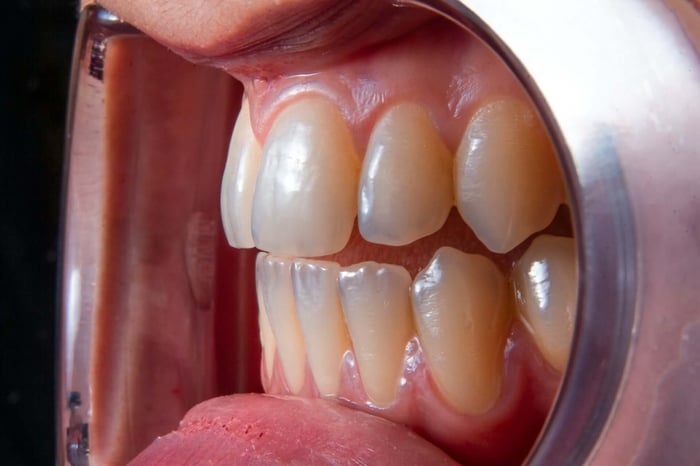
Dentists spot bruxism by reading the story your teeth tell. Flattened or shortened front teeth, tiny chips along the edges, and surface cracks all point to grinding that's been happening for a while.
If you've got dental crowns or porcelain veneers, grinding puts them at risk. Crowns and veneers are tough but not indestructible. Repeated pressure from bruxism can knock them loose or crack them, and repairs aren't cheap.
The Journal of the American Dental Association points out that tooth structure can break down quickly from bruxism and clenching, and dental restorations just don't last as long in a grinder's mouth.
When a Partner Hears Grinding, or You Notice Sleep Disruption
Sometimes, your sleep partner hears it before you know anything's up: a scraping or clicking sound at night isn't just snoring. That's your teeth grinding together.
Sleep can also feel less restful, even if you hit eight hours. Bruxism can interrupt deep sleep without waking you all the way up, so you wake up groggy and can't quite figure out why. If any of this sounds familiar, you might be wondering what a night guard actually does.
How a Night Guard Helps With Teeth Grinding While You Sleep
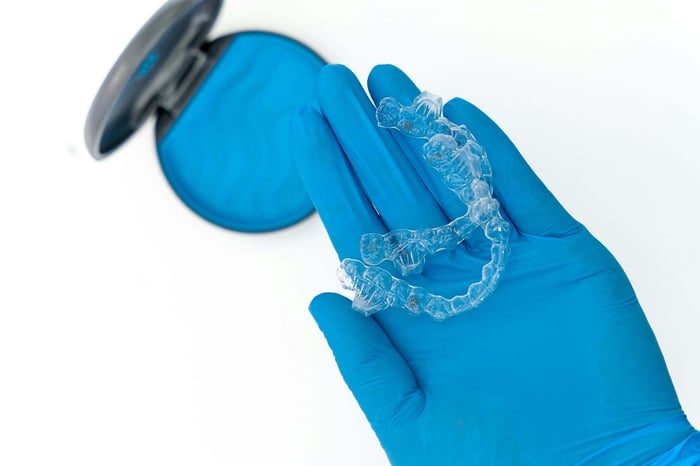
A dental night guard fits between your upper and lower teeth, acting as a barrier that takes the brunt of grinding forces. Think of it as a cushion for your jaw, so your teeth don't have to absorb all that pressure.
How a Dental Guard Cushions Grinding and Clenching
When you clench or grind at night, your jaw muscles can put out a surprising amount of force. A well-fitted occlusal guard (that's the dentist's term for a night guard) redirects this pressure into the guard's material instead of your teeth. This slows down enamel wear in a big way.
Custom-fit guards are molded exactly to your teeth, so they stay put all night. You don't have to bite down to keep them in place, and they don't shift around as some store-bought guards do. Most people say they barely notice the guard after a week or two.
A guard also helps prevent cracks and chips from starting. Bruxism means grinding your teeth or clenching your jaw, and a night guard is a practical way to break the cycle of damage.
Why It Can Ease Pressure on the Temporomandibular Joint
The temporomandibular joint (TMJ) is the hinge that lets your jaw move. Clenching and grinding put stress right on this joint, and over time, that can lead to TMJ disorder: jaw pain, clicks, limited movement.
A night guard won't "cure" TMJ disorder, but it can take some pressure off. By letting your jaw muscles relax a bit, a good guard eases the strain on the joint. Many people notice less jaw stiffness in the morning after a few weeks of wearing one.
What a Night Guard Can and Cannot Fix
Let's be real about what a night guard does. It protects your teeth and cuts down on wear, but it doesn't stop your brain from sending the grind signal. The root cause, whether it's stress, bite issues, or a sleep disorder, still needs attention.
What a Night Guard Helps With | What It Doesn't Address |
|---|---|
Slowing enamel wear | Stopping the grinding reflex itself |
Protecting crowns and veneers | Treating stress or anxiety |
Reducing morning jaw soreness | Fixing a misaligned bite |
Cushioning TMJ pressure | Treating sleep apnea |
Preventing tooth fractures | Replacing worn enamel |
Knowing what a night guard can and can't do helps you set realistic expectations and see the bigger picture.
Why You Might Be Grinding in the First Place
Grinding usually comes from more than one cause. Pinning down what's driving yours can shape how you tackle it.
Stress, Anxiety, and Daytime Clenching Habits
Stress and anxiety top the list of reasons people grind their teeth at night. If you're tense all day, your body doesn't always "switch off" at bedtime. Even clenching your jaw during the day, while driving, working, or just thinking hard, can set the stage for nighttime grinding.
You might have habits you haven't linked to grinding, like chewing pens, biting your cheeks, or holding your jaw tight when you're stressed. Noticing these habits is a good first step. Your dentist can show you how to let your jaw rest in a more relaxed position.
Bite Alignment, TMJ Strain, and Orthodontic Factors
If your upper and lower teeth don't fit together evenly, your jaw tries to compensate, often by grinding or shifting to find a "comfortable" spot. That's why bite issues and bruxism often show up together.
Sometimes, straightening your teeth with braces or Invisalign can help reduce grinding over time by improving your bite. It's not always the first thing to try, but it's worth talking about if your dentist thinks misalignment is a factor.
When Snoring or Sleep Apnea Should Be Part of the Conversation
There's some overlap between sleep bruxism and obstructive sleep apnea. If you have sleep apnea, you might grind your teeth as a reflex when your airway gets blocked during sleep, so the grinding is really a symptom of something else.
If you snore loudly, wake up gasping, or feel wiped out even after a "full" night's sleep, mention it when you talk about grinding. Your dentist can refer you to a sleep specialist for a home sleep study if needed. Treating the sleep problem often helps with the grinding, too.
Custom-Made vs Store-Bought Options
Choosing between a custom night guard and an over-the-counter one mostly comes down to fit, and fit really matters.
How a Custom Night Guard Differs From Boil-and-Bite Styles
Boil-and-bite guards from the drugstore soften in hot water, then mold to your teeth when you bite down. The fit is "close enough," not exact. Custom night guards, on the other hand, are made from a detailed mold of your teeth and built for your mouth in a dental lab.
That better fit makes a difference. Custom guards stay put without clenching, spread pressure evenly, and use materials matched to how hard you grind.
Comfort, Fit, Durability, and Long-Term Value
Here's a quick side-by-side:
Feature | Custom Night Guard | Boil-and-Bite Guard |
|---|---|---|
Fit accuracy | Precise, lab-made | Approximate |
Comfort | High; stays put | Varies; can feel bulky |
Durability | 3–5 years with care | Months, sometimes less |
Grinding protection | Strong | Moderate |
Cost | Higher upfront | Lower upfront |
Long-term value | Better | Lower |
A custom guard costs more at first, but if it fits well, you'll actually wear it. An uncomfortable guard? Most people stop using it.
When an Over-the-Counter Guard May Be a Short-Term Stopgap
If you're waiting for a dental appointment or money's tight, a store-bought guard is better than nothing. Think of it as a temporary fix while you plan for a real evaluation.
Still, drugstore guards aren't a long-term answer, especially if your grinding is moderate to severe, or if you have crowns, veneers, or sensitive teeth that need serious protection. A professional evaluation will help you figure out what level of care you really need.
When to Ask for a Professional Evaluation
Some symptoms can wait, but others mean it's time for a closer look before things get worse.
Signs Your Teeth, Gums, or Jaw Need a Closer Look
Jaw pain or soreness that lingers all day, not just in the morning
Flattened, chipped, or shortened front teeth you can see or feel
Teeth that feel loose or suddenly sensitive
Gum recession that seems to be getting worse
Headaches most mornings that fade as the day goes on
Popping or clicking in your jaw when you open or close your mouth
Pain near your ear or temple that isn't from an infection
Gum recession can show up with heavy grinding, since the pressure affects not just teeth but the tissue and bone around them. If your gum line is pulling back, it's a good idea to get checked sooner rather than later.
How Dentists Check Wear Patterns, Bite, and Jaw Function
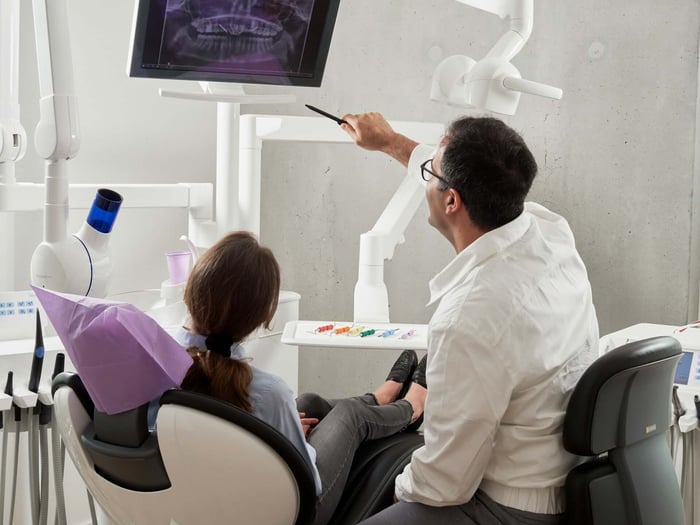
A bruxism exam involves more than just looking at your teeth. Your dentist checks for wear patterns, feels for sore jaw muscles, looks at how your teeth fit together, and checks for enamel loss or tiny cracks.
Mayo Clinic's guidance on bruxism diagnosis notes that a thorough checkup might include X-rays to see the bone and jaw joint. This gives your dentist the full picture to recommend the right guard or send you to a specialist if it seems necessary.
Related Sleep Appliance Options for Breathing Concerns
If you suspect a sleep breathing disorder, your dentist can walk you through oral appliance options that go beyond a basic night guard. For example, a mandibular advancement device moves your lower jaw forward to help keep your airway open while you sleep. It's not the same as an occlusal guard. Though both are worn at night and custom-fit to your teeth, they serve different purposes.
When sleep apnea is confirmed, doctors usually recommend a CPAP machine first. Still, oral appliances sometimes work for mild to moderate cases, especially if you can't tolerate CPAP. If your evaluation points that way, your dentist will team up with a sleep specialist to figure out the next steps.
Choosing the Most Sensible Next Step for Your Budget
Managing your dental budget means asking a few smart questions before you commit to any kind of guard.
Questions to Ask Before You Spend Money on Any Guard
Before you buy anything, get clear on a few basics:
Does my insurance cover a custom night guard? Some PPO plans help with occlusal guards, and coverage details vary widely. Call your plan directly to see what they'll actually pay for.
How bad is my grinding? Your dentist can check if your wear patterns are light, moderate, or heavy. That makes a difference in which type of guard makes sense.
Do I have crowns or veneers at risk? If you do, protecting them matters even more.
Have I tried a store-bought guard before? If you have, and it didn't fit or felt uncomfortable, tell your dentist.
If you're confused about your coverage, the dental benefits guide gives you a solid starting point for getting the most out of your plan.
How Prevention Can Help You Avoid Bigger Repairs Later
The real comparison isn't just custom guard versus store-bought. It's the cost of a guard now versus the cost of fixing a cracked crown, repairing a veneer, or getting a root canal later. Grinding wears down enamel, and once it's gone, it's gone for good. It also puts extra stress on any dental work you already have.
Paying for a well-fitted guard now almost always costs less than fixing the damage that piles up over the years. A family dentist in Gardena who knows your dental history can help you weigh the pros and cons in real terms.
Getting Local Help With a Comfortable Custom Fit
Getting a custom night guard usually means coming in for impressions, then returning to check the fit. It's not a long or complicated process, and you end up with something built just for your mouth.
If you don't have insurance, an in-house membership plan can make a custom guard more affordable. Flexible payment options mean you don't have to hold off on protecting your teeth just because you're between plans.
Frequently Asked Questions
Here are the questions that come up most often when adults are wondering if a night guard is worth it. The answers aim to be straightforward and genuinely helpful.
What Are the Signs That Your Teeth Grinding Is Starting to Damage Your Teeth or Jaw?
Watch for flat or chipped edges on your front teeth, tooth sensitivity that doesn't have an obvious cause, and jaw soreness or clicking that's new. Your dentist often spots early signs before you notice anything yourself.
Can a Night Guard Make Your Jaw Pain (TMJ, Meaning Jaw Joint Pain) Better, or Can It Make It Worse?
A well-made night guard can take the pressure off your jaw joint by absorbing grinding forces. But if the guard doesn't fit right, it might mess with your bite and actually make jaw tension worse. That's why the fit matters more than the price tag.
Is It Safe to Sleep Every Night With a Mouth Guard, and What Problems Should You Watch For?
Wearing a custom occlusal guard every night is generally safe. That's the goal, after all. If you notice new soreness, extra jaw tension in the morning, or your bite feels different, it's time to get the guard checked.
What's the Real Difference Between a Custom Night Guard From Your Dentist and a Store-Bought One, Including Cost and Insurance?
A custom guard comes from a detailed impression of your teeth and gets made in a lab, so it fits better and lasts longer. Store-bought guards cost less upfront but usually wear out faster and don't protect as well. Some PPO plans help cover custom guards, and coverage details vary by plan, so it's always worth calling to check your specific benefits.
Can Wearing a Night Guard Change Your Bite or the Way Your Face Looks Over Time?
A properly fitted custom guard shouldn't change your bite or facial appearance with normal use. Problems usually happen when someone wears an ill-fitting guard for a long time without dental check-ins. Your dentist will check your bite at follow-ups to make sure everything stays on track.
What Side Effects Can You Get From a Night Guard, Like Sore Teeth, Dry Mouth, or Headaches, and When Should You Call Your Dentist?
Some people notice mild soreness or more saliva in the first week or two, but that usually fades as you get used to the guard. Dry mouth is less common with a custom guard than with chunky store-bought ones. Call your dentist if soreness sticks around after two weeks, your bite feels off, or you're in pain.
Your Next Step Does Not Have to Be Complicated
If you're waking up with a sore jaw, morning headaches, or teeth that seem more sensitive than they used to, it's time to take those symptoms seriously. A dental checkup can show whether you're grinding at night, how much wear you've got, and which type of guard fits your needs and budget.
The point isn't to buy a guard just to have one. It's to stop slow enamel loss and joint strain before they turn into bigger, pricier problems. Starting with a professional evaluation gives you a real answer, not just a guess.
Curious if a custom night guard is the right move for you? Book an appointment with Dentist of Gardena online or call (424) 321-7470. The office keeps Saturday slots for busy schedules and offers an in-house membership plan for uninsured patients, so cost doesn't have to hold you back.