Ever spotted someone with a flawless, bright smile and caught yourself wondering, "How do they do that?" Maybe your own teeth have stubborn stains, a chip or two, or just don't line up the way you wish they did.
Dental veneers pop up in these conversations a lot, and so do questions about price and commitment. If those concerns have you hesitating, you're definitely not alone. Let's give those questions some honest attention before you even think about scheduling a visit.
For plenty of folks in Gardena, cost is a real sticking point. Cosmetic options can feel out of reach, especially when budgets are tight. But here's something not every office tells you: payment plans, flexible financing, and membership programs for folks without insurance can open doors you might have already closed in your mind.
Stick around if you want the real scoop on what veneers are, how they stack up against more affordable alternatives like bonding, what you're actually signing up for, and how to figure out if veneers make sense for you. There's no pressure, just clear info that helps you decide what fits your needs and wallet.
How Veneers Change a Smile
Veneers are thin shells, usually porcelain or composite resin, that get bonded right onto the front of your teeth. They can change the color, shape, or size of a tooth. The Journal of the American Dental Association points out the whole process only takes a few visits and is designed to be comfortable.
What Veneers Cover and What They Can't Fix
Veneers do a nice job hiding stains, chips, small gaps, or worn edges. They create a uniform look that whitening or bonding can't always deliver. But they don't fix everything: severely crooked, missing, or badly damaged teeth need other solutions. Veneers go over a healthy or restored tooth, not a broken one.
If you've got cavities or gum issues, those have to be handled first. Covering up a problem tooth with a veneer just kicks the can down the road. A good dentist will spot these issues right away so you don't waste time or money.
Porcelain Veneers vs Composite Veneers
Porcelain veneers are made in a dental lab and bonded during a separate visit. They're tough, resist stains, and blend in well with natural teeth. Composite (direct) veneers go on in a single appointment and cost less, but they don't last as long.
Feature | Porcelain Veneers | Composite Resin Veneers |
|---|---|---|
Material | Ceramic shell | Tooth-colored resin |
Number of Visits | 2 to 3 visits | 1 visit |
Lifespan | 10 to 20 years | 5 to 7 years |
Stain Resistance | High | Moderate |
Cost (per tooth) | Higher | Lower |
Reversibility | Largely permanent | Easier to modify |
As the JADA notes on direct resin veneers, composite veneers can look great and skip the lab fees, which is a real plus if you're watching your spending.
How Veneers Compare With Teeth Whitening and Dental Bonding
Professional whitening tackles stains but doesn't change tooth shape or fix chips. It's the most affordable route if color is your only worry. Dental bonding uses composite resin to fill gaps, smooth chips, or tweak color, similar to composite veneers, but usually on a smaller scale. Bonding is often cheaper than porcelain veneers and can be done in one visit, so it's a strong contender for those on a budget. The right choice depends on your teeth and goals, which is why an honest consultation matters before you commit.
Who Is a Good Candidate and Who Should Pause First
Not everyone who wants veneers is ready for them, and a good dentist will tell you straight. The real question is whether your teeth and gums are healthy enough for cosmetic work.
When Veneers Make Sense for Stains, Chips, Gaps, and Uneven Teeth
Veneers can be a solid choice if you've got:
Stains that whitening can't touch (medication, fluorosis, etc.)
Small chips or cracks up front
Minor gaps where braces feel like overkill
Teeth that are uneven, worn, or oddly sized
Old bonding that's yellowed or chipped
If you're nodding at a few of these and your gums are in good shape, a veneer consult might be worth your time.
Why Cavities, Gum Disease, and Tooth Decay Come First
If you've got active decay or gum disease, those need attention before any cosmetic steps. Slapping veneers over untreated problems just lets things get worse under the surface. Gum health also matters: a receding gumline can throw off how veneers look and fit.
If it's been a while since your last cleaning, that's a smart first move. A routine checkup will flag any issues and make sure you're not building on a shaky foundation.
When Orthodontics or Invisalign May Be the Better First Step
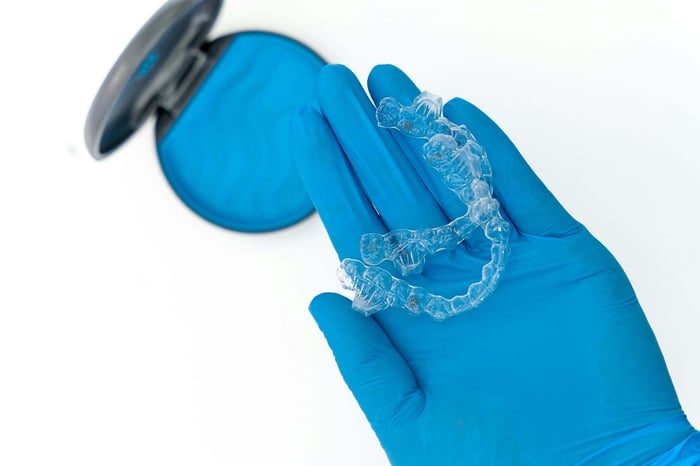
If your teeth are pretty crooked or crowded, Invisalign or braces may give you a better and sometimes cheaper result in the long run. Moving teeth into the right spots makes cleaning easier and can set you up for cosmetic tweaks later, if you still want them. Veneers can polish off the final look, but they're not a replacement for fixing alignment issues. Once your bite is right, you might find you don't need as much cosmetic work as you thought.
What Getting Veneers Actually Involves
Knowing what to expect takes most of the anxiety out of the process. Honestly, it's usually much less dramatic than people imagine.
Consultation, Smile Planning, and Custom Veneers
The first visit is all about what you want to change. The dentist checks your teeth, talks through your goals, and might use photos or digital imaging to map out possible results. This is also when you weigh porcelain versus composite, based on your budget and how many teeth you're thinking about. Custom veneers are made to match your natural color and face shape, so they blend right in, just a better version of your own smile.
Tooth Preparation, Enamel Removal, and Temporary Veneers
For porcelain veneers, the dentist removes a thin layer of enamel (less than a millimeter) to make space for the shell. This step is permanent, so it's a big part of the commitment. Impressions or scans then go to a lab. While you wait (usually a week or two), you'll get temporary veneers so your teeth stay protected and you get a sneak peek at the final look.
Bonding Day, the Dental Lab, and No-Prep Veneers Such as Lumineers
Once your custom veneers are back from the lab, you'll come in for bonding. The dentist checks the fit, tweaks the color if needed, and uses a strong adhesive to secure each veneer. The whole thing is usually pretty straightforward. If keeping more enamel matters to you, no-prep veneers (like Lumineers) might be an option: they require little or no tooth reduction. They're not for everyone, but for the right case, they offer a less permanent path. Your dentist should lay out whether this makes sense for you.
Cost, Longevity, and Long-Term Commitment
Let's be honest: cost is where a lot of people pump the brakes. It helps to know what you're actually paying for and why the price swings so much.
How Much Veneers Cost and Why Price Varies
Porcelain veneers in the U.S. run from about $900 to $2,500 per tooth, depending on location, materials, and complexity. Composite veneers are much less, often $250 to $1,500 per tooth, and can sometimes be done in one visit. Treating more teeth multiplies the total. Most people focus on the four to eight front teeth, so the final bill can range a lot. Payment plans and membership options can help spread out the cost, so don't count veneers out before asking about those.
How Long Veneers Last and When They Need Replacement
Studies like this clinical evaluation of porcelain veneers show they hold up well at four years, and with good care, porcelain often lasts 10 to 20 years. Composite veneers usually last 5 to 7 years before they start to show wear. Your own habits matter a lot: grinding, biting hard things, or skipping cleanings will cut that lifespan short. Regular checkups help spot small issues before they turn into big ones.
Dental Insurance, Financing, and Whether Veneers Are Worth the Investment
Dental insurance almost never pays for veneers, since they're cosmetic. Medi-Cal doesn't cover them either, so most folks pay out of pocket. Still, it's smart to check what your plan does cover before assuming you're on your own. Are veneers "worth it"? That really depends on how much your teeth bother you and if your mouth is healthy enough for a lasting result. For many, composite bonding gives a big boost for a lot less money, so it might make sense to start there before jumping into porcelain.
Risks, Maintenance, and Protecting Your Results
Veneers are sturdy, but not bulletproof. Knowing the risks helps you keep your smile looking good and avoid headaches down the road.
Sensitivity, Chips, and the Reality of Permanent Changes
Some people notice more sensitivity for a few days or weeks after getting veneers. Usually, it fades, but if you already have sensitive teeth, mention it upfront. Porcelain veneers can chip or crack if you're rough on them, and fixing a chipped veneer means replacing it, not just patching as you could with a natural tooth. That's why the permanent enamel removal is such a big deal: once you go for traditional veneers, you're signing up for some kind of coverage on that tooth from here on out.
Teeth Grinding, Bruxism, and Why a Night Guard May Matter
Bruxism (teeth grinding) puts a lot of stress on veneers and often causes them to fail sooner than expected. If you grind your teeth at night, your dentist will probably suggest a custom night guard to help protect your veneers. Honestly, if you know you grind your teeth, don't skip this step: it's a small investment compared to what you've spent on your smile. Bring it up during your consultation if you think it's relevant.
When Dental Crowns May Be Better Than Veneers
Veneers just cover the front of a tooth. If a tooth is cracked, badly decayed, or already has a big filling or root canal, a dental crown might make more sense since it protects the whole tooth. Going with a veneer when a crown is really needed just leaves the tooth vulnerable. Your dentist will look at how much healthy tooth is left and help you weigh both options. If the main concern is strength or protection, a crown usually wins out.
How to Decide on the Right Cosmetic Option for Your Budget
The best cosmetic option is the one that fits your actual dental needs, your goals, and your budget, not just the one you saw in someone else's before-and-after photo.
Questions to Ask Before Choosing Veneers
Before you commit to veneers, keep these questions in mind for your consultation:
Are my teeth and gums healthy enough for cosmetic work right now?
Would bonding give me a similar look for less?
How many teeth do I really need treated to feel happy with my smile?
Do I grind my teeth, and will I need a night guard?
What are my payment options if insurance doesn't cover this?
These questions help you get the information you actually need, not just a pre-set treatment plan.
Signs Bonding, Whitening, or Orthodontic Care May Be the Better Value
Not every smile issue calls for veneers. You might want to consider a simpler or less expensive option if:
Your main concern is tooth color, and your teeth are otherwise shaped well
You only need a minor fix on one or two teeth
Your teeth just need to be straightened, not resurfaced
You want to try something reversible before making a permanent change
Your budget doesn't really allow for future veneer replacements
Bonding can be a good way to improve your smile now while you decide if veneers are worth it later.
Next Step for a Cosmetic Consultation
A cosmetic consultation should feel like an honest conversation about your teeth, your options, and what each one costs. Bring photos of smiles you like and be upfront about your budget. A dentist who's willing to work with you on cost will look at whitening, bonding, and veneers as tools, not just push the most expensive fix. The family dental services nearby make it easy to book a visit without a long trip, and getting all your cosmetic and general care in one place keeps things simple.
Frequently Asked Questions
Here are the questions people ask most when they're thinking about veneers for the first time, with straightforward answers.
What Exactly Is a Dental Veneer, and How Is It Different From a Crown or a Regular Filling?
A veneer is a thin shell bonded to the front of a tooth to change its appearance. Crowns cover the whole tooth, not just the front. Fillings repair damage inside or on top of a tooth, while veneers are just for looks.
How Much Do Veneers Usually Cost for Two Front Teeth, and What Does Insurance Typically Cover?
For two porcelain veneers, expect to pay somewhere between $1,800 and $5,000, depending on where you live and the materials. Composite veneers cost less. Most insurance plans don't cover veneers since they're cosmetic, and Medi-Cal doesn't cover elective cosmetic veneers. Some offices offer financing or membership plans to help with costs.
Do Veneers Damage Your Natural Enamel, and Can You Still Get Cavities Under Them?
Traditional veneers require removing a bit of enamel, and that's permanent; there's no going back. You can still get cavities under a veneer if you slack on brushing or skip cleanings. No-prep veneers leave most enamel alone, but they're not right for everyone.
Are Porcelain Veneers Permanent, or Can They Be Removed or Replaced Later?
Porcelain veneers are basically a permanent change since the enamel taken off can't grow back. You can replace the veneer when it wears out, but the tooth will always need some kind of covering after that. No-prep veneers are a little more reversible, but only work for certain cases.
How Long Do Veneers Last in Real Life, and What Habits Make Them Fail Sooner?
If you take care of them, porcelain veneers last about 10 to 20 years, while composite ones usually last 5 to 7. Habits that cut their lifespan short include grinding your teeth, biting nails or hard stuff, skipping cleanings, or using your teeth as tools. Wearing a night guard and going to regular checkups are probably the best ways to protect your veneers.
What Should You Expect From a Veneers Before-and-After Result, and What Looks "Too Fake" to Avoid?
Good veneers look like natural teeth with better shape and color, not like a row of white tiles. Fake-looking veneers are usually too big, too white, or don't match your skin tone or face. Working with a dentist who does careful planning, takes photos, and matches the shade gives you a smile that looks like you, just refreshed.
Your Next Step Toward a Smile You Feel Good About
Veneers aren't just for celebrities. They're a practical option for adults who want to feel more confident about their smile and are ready to invest in long-term results. The real key is starting with honest info: whether your mouth is healthy enough, if bonding could work just as well for less, and what the actual costs look like over time.
If you've been holding off on a cosmetic consult because of cost or uncertainty, it's worth booking a visit just to get real answers. Dentist of Gardena offers cosmetic consultations with a full range of general and restorative care, plus financing and a membership plan for those without insurance. They even have Saturday appointments if weekdays are tough.
Curious whether veneers or bonding is the better fit for your smile? Request an appointment with Dentist of Gardena online or call (424) 321-7470 to get started.