You already know your kids should see a dentist, but figuring out how often can get tricky. School, work, and packed family calendars make it hard to keep track. A lot of Gardena parents wonder if twice a year is really necessary, or just a suggestion you can skip when life gets busy.
The same questions come up all the time: when do we start, how often should we come back, and what actually happens at those visits? They are completely fair questions, and the answers are simpler than most parents expect.
This guide walks you through the recommended schedule from your child's first birthday through the teenage years, what happens at each visit, and how to tell when to book sooner. No jargon, no pressure. Just the information you need to make decisions that feel right for your family.
How Often Should Kids Go to the Dentist
Most kids should see a dentist every six months, starting around their first birthday. That is the baseline for children without special dental needs.
Why Twice-a-Year Visits Are the Standard
Dentists recommend the twice-a-year schedule because it helps catch small problems before they grow. Cavities can sneak up fast in baby teeth, and kids often do not notice anything until it hurts.
A routine dental checkup every six months gives the dental team a chance to spot issues early. This way, they can address things before a simple filling turns into something more complicated.
These regular visits also let the dentist track how your child's teeth and jaw are developing. Patterns and changes become a lot clearer when there is a consistent record to compare against.
The American Academy of Pediatric Dentistry (AAPD) backs up this approach, though they note every child's needs can differ. Still, twice a year is the starting point for most healthy kids.
When a Child May Need Visits More Often
Some kids actually need to come in more than twice a year. It is more common than you might expect.
Extra visits are usually recommended for:
Kids who get cavities often
Children who snack on sugary foods or drinks throughout the day
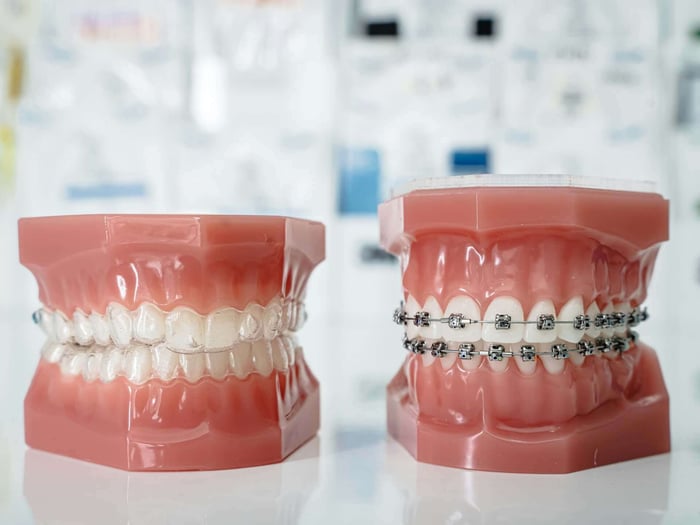
Those with braces or other orthodontic gear
Kids whose health conditions affect saliva or tooth enamel
Children who have had a chipped or knocked-out tooth
If your child fits any of these, your dentist will suggest a schedule that makes sense. More visits do not mean you are failing. They mean your child's care is being adjusted to their actual needs.
When to Schedule the First Appointment
Book your child's first dental visit by their first birthday, or within six months after the first tooth shows up. That timing surprises a lot of parents who assumed dental visits were just for older kids.
Why Age One Matters
The age-one dental visit matters because tooth decay can start early, and it is much easier to prevent than to treat. Starting young gives the dentist a chance to spot risks before there is a problem.
That first appointment is usually quick and gentle. The dentist checks any teeth that have come in and looks at the gums, then talks with you about feeding habits, pacifiers, and how to clean those first teeth. It is as much about answering your questions as it is about examining your child.
Here is something worth picturing. A child who starts dental visits by age one usually arrives at six or seven with no fear of the chair. The office feels familiar, the hygienist knows their name, and any small issues were caught and handled early.
A child who has their first visit at four or five often comes in with early decay already present, and sometimes with real anxiety because the whole experience is new and strange. The difference is not luck. It is the schedule.
Kids who start early tend to feel more comfortable at every appointment that follows. The sights, sounds, and familiar faces add up over time.
Signs It Is Time to Book Sooner
Do not wait for the six-month mark if something seems off. Reach out to your family dentist in Gardena right away if you notice:
White or brown spots on a tooth
Chipped, cracked, or loose teeth
Gums that are swollen, red, or bleeding for no obvious reason
Complaints about tooth pain or sensitivity to hot, cold, or sweet foods
Holes or dark spots on any teeth
Letting these things go usually makes them harder to fix. Sooner is almost always simpler and less expensive.
What Happens at a Routine Checkup
A pediatric dental checkup usually takes about 45 minutes to an hour. Knowing what to expect ahead of time makes the whole thing a lot less stressful for everyone.
What Parents and Kids Can Expect During the Exam
The appointment starts with a quick chat about your child's health and any changes since last time. The dentist then checks each tooth and the gums, looking for early signs of decay or anything unusual.
They also check how your child's teeth fit together when biting down. Catching bite problems early makes them much easier to address.
For little kids, you might sit close or hold them during the exam. The goal is to help your child feel safe, not to rush through the appointment.
Cleanings, Fluoride, and X-Rays in Plain Language
After the exam, a dental hygienist cleans your child's teeth, removing plaque (the sticky film of bacteria) and tartar (hardened plaque that brushing alone cannot remove). Even kids who brush well usually miss a few spots.
Fluoride treatment often comes next. It takes just a minute and helps strengthen tooth enamel, the hard outer layer of the teeth, against decay.
Digital X-rays are taken once a year or as needed. They use very little radiation and help the dentist see spots that are not visible to the naked eye. Amazon Topaz
Checkup Component | What It Does | How Often |
|---|---|---|
Clinical exam | Checks teeth, gums, bite, and development | Every visit |
Professional cleaning | Removes plaque and tartar buildup | Every visit |
Fluoride application | Strengthens enamel and helps prevent decay | Every visit or as recommended |
Digital X-rays | Finds hidden decay and bone changes | Once a year or as needed |
How Dental Needs Change as Kids Grow
Dental care is not one-size-fits-all. Your child's needs shift at each stage, and so does what the dentist is watching for.
Babies and Toddlers
Before teeth arrive, gently wipe your baby's gums with a damp cloth. Once teeth show up, switch to a soft brush and a tiny dab of fluoride toothpaste.
Toddlers are at higher risk for early childhood cavities, especially if they go to bed with bottles of anything besides water. Cutting out the bedtime juice or milk makes a real difference.
School-Age Kids
Between ages six and twelve, baby teeth fall out, and permanent teeth come in. This is when dental sealants for children can make a meaningful difference. Sealants are thin coatings applied to the back teeth to block out bacteria and food particles.
Data from the National Institute of Dental and Craniofacial Research (NIDCR) shows tooth decay is one of the most common chronic conditions in children, even though it is largely preventable. Sealants combined with regular visits can cut that risk significantly.
Kids this age are learning to brush and floss on their own, but they still benefit from a bit of supervision, even if they act like they do not need it.
Teens and Orthodontic Monitoring
Teenagers often need an orthodontic check alongside their regular dental visit. Some will need Invisalign clear aligners in Gardena or braces, and timing matters.
Braces create more places for plaque to hide, so these kids need extra checkups. Skipping them can slow progress and raise the risk of cavities forming around the hardware.
What Can Change the Visit Schedule
Twice a year works for most kids, but a few things can shift that plan.
Higher Cavity Risk and Home Habits
Cavity risk depends on what your child eats, how well they brush, and even genetics. Snacking on sweets or starchy foods between meals gives bacteria more to work with.
Good home oral care habits make a significant difference. Brushing twice a day with fluoride toothpaste and flossing once daily does most of the heavy lifting.
If your dentist spots a higher cavity risk, they will suggest more frequent visits. A quick cleaning every few months costs far less than addressing a major dental issue down the road.
Braces, Bite Concerns, and Special Health Needs
Kids with braces or orthodontic appliances need closer monitoring. Dentists and orthodontists often coordinate to keep development on track.
Children with certain health conditions, like those affecting immunity, medication routines, or saliva production, may need a custom visit schedule. The AAPD periodicity guidelines recommend twice-a-year visits for healthy kids, but the schedule is designed to flex for those who need more support.
Making Regular Visits Easier for Busy Gardena Parents
Fitting two dental visits into a packed family schedule is not always easy. Most Gardena families are balancing school drop-offs, after-school activities, and work shifts that do not leave a lot of room on weekday afternoons.
Simple Ways to Prepare Your Child
You do not need to make a big deal out of the visit. Keep your tone calm and avoid phrases like "it won't hurt," because that just plants the worry.
A few things that actually help:
Read a kids' book about the dentist together beforehand
Let your child bring a favorite toy for comfort
Avoid booking appointments when they are tired or hungry
Use simple language: "They will count your teeth and clean them."
Praise their effort after the visit, not just their bravery
Kids pick up on your mood more than anything else in the room. If you seem relaxed, they usually follow.
A Reassuring Next Step for Affordable Family Care
Gardena Dental Care offers Saturday and after-school appointments because most families in this community cannot easily fit in a weekday afternoon visit. The children's dental team has years of experience with kids of all ages and temperaments, from curious toddlers coming in for the very first time to teenagers who would rather be anywhere else. Flexible insurance and payment options are available, and the team walks you through what is covered before treatment starts so there are no surprises when the bill arrives.
Ready to get your child on a schedule that actually works? Call (424) 295-7885 or book an appointment online in just a couple of minutes.
Frequently Asked Questions
At What Age Should My Child Have Their First Dental Visit?
Book that first dental visit by age one or within six months of the first tooth. The American Academy of Pediatric Dentistry (AAPD) and others recommend this for catching decay risks early.
How Often Should a 3-Year-Old Get a Dental Checkup?
A healthy 3-year-old should see the dentist every six months. By this age, all 20 baby teeth are usually in, so it is the perfect time to keep tabs on spacing, cavities, and bite.
How Often Should a 5-Year-Old See the Dentist If Everything Seems Fine?
Even if your 5-year-old's teeth look great, stick with two visits a year. The first permanent molars often show up around age six, so those checkups help you stay ahead of any surprises.
What Signs Mean My Child Should See a Dentist Sooner Than the Next Routine Visit?
If you spot white or brown spots on your child's teeth, it is time to pay attention. Swollen gums, visible holes, tooth pain, or a chipped or knocked-out tooth also count as red flags.
Do not wait for the next routine appointment if you notice any of these. It is better to get a professional opinion early.
What Is the "2-2-2 Rule" for Teeth, and Does It Apply to Kids?
The 2-2-2 rule keeps things simple: brush twice a day for two minutes, and see the dentist twice a year. Kids? Yes, this applies to them too.
It is a handy way to remember the basics without overcomplicating things.
How Long Should Kids Brush, and What's a Good Brushing Routine for Their Age?
Kids need to brush for two minutes, twice a day. A soft-bristled brush and a dab of fluoride toothpaste work best.
If your child is under three, use a tiny smear, about the size of a grain of rice. Once they are three or older, a pea-sized amount does the trick. Most kids benefit from a grown-up checking their brushing until around age eight.
Your Child's Smile Starts with a Simple Schedule
Start dental visits by your child's first birthday, then keep to that twice-a-year routine. The earlier you begin, the easier every visit becomes, and the less likely small problems are to turn into bigger ones.
The more your child goes, the more familiar the whole experience feels. Regular checkups stop feeling like an errand and start feeling like something your family just does.
Gardena Dental Care offers Saturday appointments and flexible payment plans to make consistent care something every Gardena family can actually fit in. Call (424) 295-7885 or request an appointment online in just a couple of minutes.