Your child clings to your arm in the parking lot, eyes wide, refusing to unbuckle. You know the checkup matters, but pushing too hard right now could make the next visit even harder. Figuring out how to help a child with dental anxiety starts with recognizing that their fear is real, not dramatic, and that your response today shapes how they feel about dental care for years.
Gardena Dental Care welcomes families across Gardena, CA, in a kid-friendly office created to put young patients at ease from the moment they walk in.
The team provides gentle, patient-centered care for children of all ages, with Saturday and after-school scheduling so you do not have to choose between a workday and your child's comfort.
Keep reading to learn what your child's fear may actually be telling you, how to talk about the dentist at home without adding pressure, what helps on appointment day, and what to do afterward so the next visit feels a little easier.
Whether your biggest concern is your child's nerves, the cost, or squeezing an appointment into a packed week, this guide is written with your family in mind.
What Your Child's Fear May Really Be Saying
Dental anxiety in kids is rarely about the teeth themselves. Most of the time, the fear comes from something deeper: unfamiliar sounds, a loss of control, or not knowing what happens next.
Common Signs of Stress Before a Visit
Children show dental fear in different ways depending on their age and personality. Some signs are obvious, like crying or clinging. Others are quieter and easy to miss.
Complaining of a stomachache or headache the morning of the appointment
Asking the same questions about the visit over and over
Becoming unusually quiet or withdrawn
Refusing to eat breakfast
Throwing a tantrum that seems out of proportion
Trouble sleeping the night before
If you notice several of these signs repeating before each visit, your child may be dealing with more than just nerves. Paying attention to the pattern helps you respond with the right support instead of guessing.
Why First Visits, New Sounds, and Loss of Control Feel Big
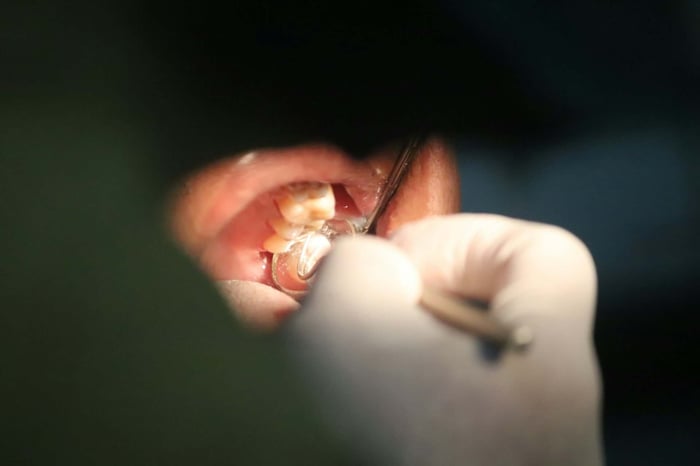
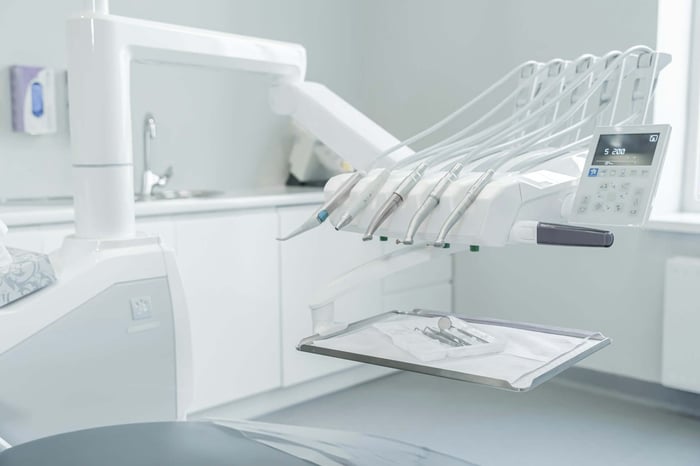
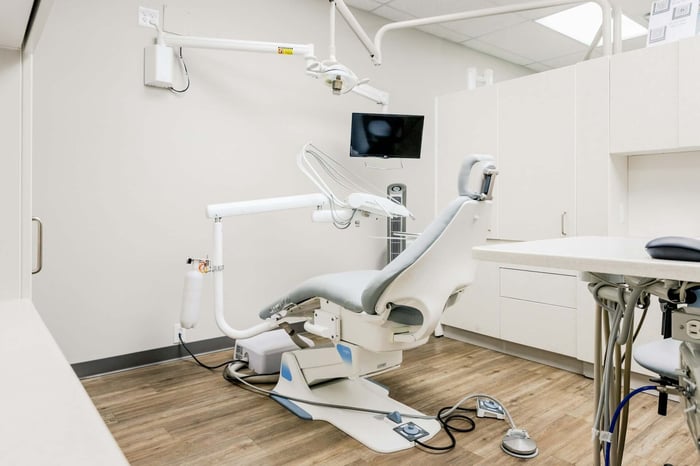
A first dental visit can overwhelm a child because almost everything is unfamiliar. The reclining chair, the bright light overhead, and the buzz of a polishing tool are all brand-new sensory experiences.
Research from USC found that sensory adaptations in dental rooms can significantly lower stress in young patients.
Children also struggle with the feeling of someone working inside their mouth. They cannot see what is happening and cannot talk easily. That loss of control is unsettling even for adults.
For Gardena families weighing whether to book that first appointment, know that the discomfort of waiting often grows larger than the visit itself. Early, low-stakes visits help children build a mental map of what to expect.
When Normal Nerves Start to Look More Like Dental Phobia
Most kids feel some nervousness before a dental appointment, and that is completely normal. Dental phobia, which is a more intense and persistent fear, looks different. A child with dental phobia may panic at the mention of a dentist, refuse to open their mouth, or become physically aggressive in the chair.
The CDC notes that early identification of anxiety in children allows families to get timely support. If your child's fear does not improve after several calm, positive visits, it may be worth talking to your dentist or pediatrician about next steps.
Recognizing where your child falls on this spectrum helps you choose the right preparation strategy at home, which is exactly what the next section covers.
How to Talk About the Dentist at Home
The words you use at home can either calm your child or accidentally make their dental anxiety worse. A few small changes in language go a long way.
Words That Calm Instead of Escalate
Avoid words like "hurt," "shot," "drill," or "pain," even if you are trying to say it will not hurt. Children often latch onto the scary word and ignore the reassurance around it. Instead, try neutral or positive phrases.
Instead of Saying | Try Saying |
|---|---|
"It won't hurt" | "The dentist will count your teeth" |
"You need a shot" | "The dentist will help your tooth feel comfortable" |
"Don't be scared" | "It's okay to feel nervous, I'll be right there" |
"They have to drill your tooth" | "They'll clean the tiny spot on your tooth" |
"Be brave" | "You can squeeze my hand if you need to" |
Matching your tone to your words matters just as much. If you sound tense while saying "everything is fine," your child picks up on the mismatch.
Simple Role Play and the Tell-Show-Do Idea
The tell-show-do technique is a method where you explain a step, show it with a prop, and then let the child try it. You can practice this at home with a toothbrush and a stuffed animal.
Let your child play dentist while you narrate what happens. "First, the dentist looks at each tooth with a tiny mirror. Then they polish them so they feel smooth and shiny." Keeping the story short and upbeat builds familiarity without creating pressure.
Role play also gives your child a chance to ask questions in a low-stakes setting. You might be surprised by what worries them most, and it is often not what you expect.
Books About Dental Visits and Other Low-Pressure Prep Tools
Picture books about visiting the dentist introduce the experience through a character your child can relate to. The CDC offers a free children's oral health activity book designed for kids ages three through eight.
Short videos showing a child-friendly dental visit can also help. Look for ones that feature real offices rather than cartoons, so your child sees an actual chair and actual tools in a calm setting.
Preparation works best when it is spread across a few days rather than crammed into the morning of the appointment. That brings us to what helps most on the actual day.
What Helps on the Day of the Appointment
A smooth appointment morning starts with a low-key routine, not a pep talk. The less fanfare you create, the less your child reads the situation as something to worry about.
How to Prepare the Morning Without Adding Pressure
Treat the appointment like any other errand. Avoid long explanations, countdowns, or repeated reassurances that morning. Dress your child in comfortable clothes and keep the usual breakfast routine.
If possible, schedule the visit during a time when your child is normally alert and fed, not right before nap time or after a long school day. Many Gardena families with tight work schedules find that Saturday or after-school slots fit better and help avoid the stress of rushing.
Let your child bring one familiar item, like a small toy or a blanket, without making a big deal about it. Familiarity is comforting, and a quiet anchor can do more than words.
What to Expect in the Waiting Room and Early Minutes
A child-friendly dental practice usually has a waiting area designed to feel welcoming, not clinical. Look for offices with books, soft lighting, or a small play area. Those early minutes set the emotional tone.
When the dental team greets your child, let them lead the introduction. A good team will crouch to eye level and speak directly to your child rather than talking over them to you.
If your child needs a moment before sitting in the chair, that is okay. A brief "get acquainted" pause, where the child simply looks around the room and meets the hygienist, can reduce tension more than jumping straight into treatment.
Comfort Items, Breathing Tricks, and Small Choices That Help
Giving your child small choices during the visit helps restore some of the control they feel they have lost. Let them pick the flavor of toothpaste or choose which hand holds the suction tool.
A slow "smell the flower, blow out the candle" breathing exercise works for kids as young as four.
Noise-canceling headphones or kid-safe earbuds with a favorite playlist can block unfamiliar sounds.
Counting ceiling tiles or stickers on the wall gives the mind something else to focus on
Holding a stress ball or fidget toy keeps restless hands busy
These small tools add up. Each positive experience becomes a building block for the next visit, which is why what you do after the appointment matters just as much.
How a Kid-Friendly Office Can Change the Experience
The right dental environment can turn a dreaded appointment into something your child handles with confidence. A warm team and a predictable routine matter more than fancy decor.
Why a Warm Team and Predictable Steps Matter
Children feel safest when they know what comes next. A team that explains each step in simple language before doing it helps your child stay calm. "I'm going to spray a little water now" takes two seconds and prevents a startle.
Consistency between visits also matters. When your child sees the same friendly faces each time, trust builds naturally. That familiarity is hard to replace with any technique or tool.
When a Pediatric Dentist or Pediatric Dentistry Focus May Help
A pediatric dentist is a dentist with extra training in treating children's teeth and managing young patients' behavior and comfort. Not every child needs a specialist. Many general practices offer excellent children's dental care with a team experienced in working with anxious kids.
If your child has a specific medical condition, sensory sensitivities, or an intense phobia that has not improved over multiple visits, a pediatric dentistry referral may be worth discussing with your current dentist.
For most Gardena families, the key is finding an office where the staff genuinely enjoys working with children and takes time to move at the child's pace.
How Parents Can Spot a Supportive Fit for Their Child
Before booking, call the office and ask how they handle nervous first-time patients. A good sign is when the receptionist describes a step-by-step process rather than brushing off your concern.
Look for practices that offer flexible scheduling and affordable payment options so financial stress does not add to the emotional weight of the visit. When budget and timing feel manageable, you are more likely to keep appointments consistent.
The visit itself is only half the equation. What you say and do afterward shapes how your child feels about the next one.
How to Help a Child With Dental Anxiety After the Visit
The thirty minutes after a dental visit are your best window to help a child with dental anxiety feel better about the next one. What you reinforce now sticks.
Praise Effort Instead of Perfection
Saying "you were so brave" puts the focus on an outcome your child may not feel they achieved. Instead, praise the effort: "You sat in the chair and let the dentist look at your teeth. That took a lot of courage."
If the visit did not go smoothly, avoid expressing frustration. A tough appointment does not mean every future visit will be the same. Your calm reaction teaches your child that setbacks are normal.
How to Talk About the Visit Once You Get Home
Ask open-ended questions like "What was your favorite part?" or "What did the toothpaste taste like?" This steers the conversation toward neutral or positive details. If your child brings up something that scared them, listen without minimizing.
You do not need to fix the fear in one conversation. Simply acknowledging "that sound was loud, huh?" validates the experience without reinforcing it as dangerous.
Building Better Associations Between Appointments
Routine care like brushing and flossing at home keeps dental health familiar rather than something that only happens in a strange chair twice a year.
Let your child pick their own toothbrush and toothpaste flavor. If a dentist recommends tooth-colored fillings or restorative treatments down the road, a child who already feels comfortable in the office will handle it much more calmly.
Spacing out visits every six months with consistent scheduling gives your child time to process each experience and arrive at the next one a little more confident.
A Calmer Next Step for Gardena Families
You do not have to figure this out alone. When home strategies are not enough, your dentist can help you explore additional comfort options that make visits safer and less stressful for everyone.
When Extra Support Like Sedation Dentistry May Be Worth Asking About
Sedation dentistry uses medication to help a patient relax during dental treatment. For children with intense dental anxiety, even a mild option like nitrous oxide (sometimes called laughing gas) can make the difference between a completed visit and a canceled one.
If your child has a strong gag reflex, difficulty sitting still, or a level of panic that home preparation has not eased, ask your dentist about sedation dentistry for children. The conversation itself costs nothing and gives you a clearer picture of what is available.
Making Time for a Visit Around School and Work
Scheduling is one of the most common reasons Gardena families delay dental visits, especially when a nervous child needs extra appointment time. Saturday appointments and after-school time slots remove the pressure of missing work or pulling your child out of class.
Gardena Dental Care offers a warm, kid-friendly environment designed to help children feel safe. The team, led by Dr. Hamid Barkhordar, who trained at USC and Harvard, moves at your child's pace and is happy to answer your questions before, during, and after the visit.
Flexible scheduling, including Saturdays and same-day availability, makes it easier to find a time that works for your whole family.
Take the next step whenever your family is comfortable. Call Gardena Dental Care at (424) 295-7885 or request an appointment online. The team is here to help your child build a positive relationship with dental care, one calm visit at a time.
Frequently Asked Questions
What Should I Say if My Child Refuses to Sit in the Dental Chair?
Stay calm and avoid forcing them. Let the dental team try a "get acquainted" approach where your child explores the room and meets the staff at their own pace. Acknowledge their feelings by saying something like "I can see you are nervous, and that is okay."
How Do I Know if My Child Needs a Pediatric Dentist Instead of a General Dentist?
Most children do well with a general children's dentist who has experience with young patients. If your child has sensory sensitivities, a medical condition, or a phobia that has not improved after several visits, ask your dentist about a pediatric specialist referral.
What Options Are There if My Child Has a Strong Gag Reflex or Panics During Treatment?
Your dentist may suggest mild sedation options like nitrous oxide to help your child relax. Positioning adjustments and smaller instruments can also reduce gag reflex triggers. Talk to your dental team before the visit so they can plan ahead.
Is It Safe to Give My Child Medicine Like Benadryl Before a Dental Appointment?
Do not give your child any medication before a dental visit without your dentist's or pediatrician's direct guidance. Over-the-counter medications can interact with dental sedation or mask symptoms the dentist needs to see. Always ask your dental team first.