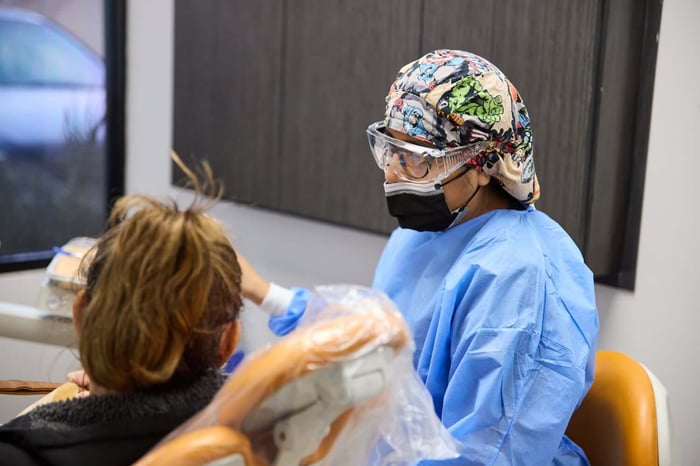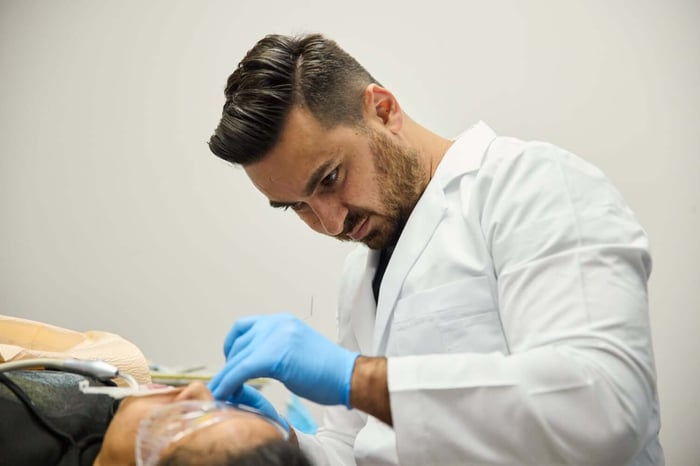
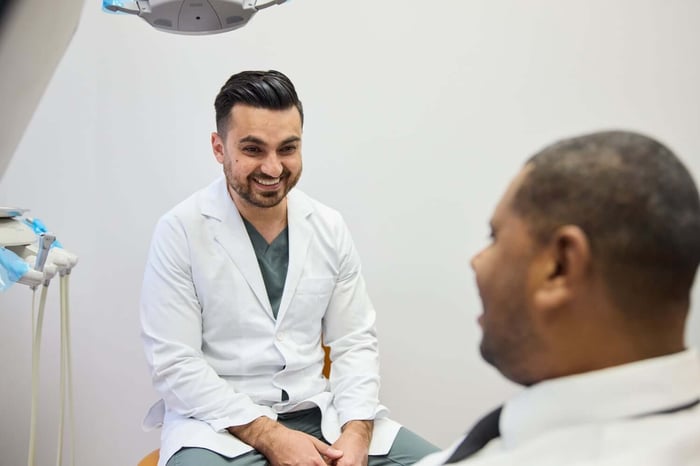
Choosing the right path to a straighter smile is one of the most personal decisions a person can make, and for many families in the Gardena area, finding a trusted orthodontist in Gardena, CA, is the starting point for a journey that can genuinely change how someone feels about their smile.
Whether a teenager is heading into high school or an adult has decided this is finally the year to address a long-standing bite concern, the options available today are more flexible, comfortable, and effective than ever before.
At Gardena Dental Care, Harvard-trained orthodontist Dr. Hamid Barkhordar and our team work with patients of all ages to find the orthodontic approach that fits their lives and goals. From metal braces to clear aligners, we take the time to walk through every option so families can make informed, confident decisions without feeling overwhelmed.
In this guide, we will cover the most common bite and alignment concerns that bring patients to an orthodontist, break down the differences between braces and clear aligners, compare treatment timelines and lifestyle factors, and explain what the process looks like from consultation to retainers.
Key Takeaways
Orthodontic treatment addresses both cosmetic and functional concerns, and the right option depends on age, lifestyle, and case complexity.
Metal braces, ceramic braces, and clear aligners each offer distinct advantages in terms of visibility, flexibility, and precision.
The process runs from an initial consultation and imaging through active treatment to retainers that protect long-term results.
When Crooked Teeth Start Getting In The Way Of Daily Life
Misaligned teeth are often much more than an appearance concern. Orthodontics addresses issues that affect how we chew, speak, and care for our teeth every single day.
Common Bite And Alignment Problems An Orthodontist Can Treat
Crooked or crowded teeth can make brushing and flossing harder, which increases the risk of cavities and gum disease over time. Beautiful smiles start with alignment that actually supports good oral health, not just aesthetics.
Common conditions an orthodontist can treat include:
Crowding: Not enough space for all teeth to fit comfortably in the jaw
Spacing or gaps: Teeth that are too far apart
Overbite: Upper front teeth overlap significantly over the lower front teeth
Underbite: Lower teeth extend in front of the upper teeth
Crossbite: Upper and lower teeth do not meet properly on one or both sides
Open bite: Upper and lower front teeth do not make contact when biting down
Crooked or rotated teeth: Individual teeth that are tilted or twisted out of position
When teeth are properly aligned, they wear more evenly, the jaw experiences less strain, and cleaning becomes noticeably easier.
Why Teens And Adults Often Choose Treatment At Different Stages Of Life
Timing matters, but it does not need to be a barrier. Orthodontic treatment works at nearly every stage of life. Teens often begin treatment when most permanent teeth have come in, typically between ages 11 and 15.
The jaw is still developing at this stage, which can sometimes make tooth movement more efficient. Adults seek orthodontic care for many different reasons.
Some never had treatment growing up. Others had treatment but did not wear their retainers, and their teeth gradually shifted back over time.
Some are responding to changes caused by tooth loss, gum disease, or general wear. The good news is that roughly 1 in 3 orthodontic patients today is over 18 years old, so adult treatment is very common.
What Many Adults Wish They Knew Before Starting Orthodontic Treatment
A lot of adults assume orthodontic treatment is only practical during the teenage years, but modern treatment options have made care far more adaptable for professional and family life.
According to the American Association of Orthodontists, adult orthodontic treatment continues to grow steadily as more patients prioritize long-term oral health, bite stability, and confidence in their smiles.
For many adults, treatment is not only about appearance. Correcting alignment issues can help improve bite function, reduce uneven tooth wear, and make brushing and flossing easier over time. Clear aligners and low-visibility ceramic braces also allow many patients to move through work and social settings comfortably while staying consistent with treatment goals.
Braces That Still Get The Job Done
Traditional braces remain one of the most reliable teeth-straightening procedures available, and modern versions are more comfortable and refined than what most people remember from childhood.
Metal Braces For Reliable, Precise Tooth Movement
Metal braces are well-suited for a wide range of cases, from mild crowding to more complex bite corrections. They work continuously, which means there is no reliance on patient compliance to wear removable trays.
Benefits of metal braces:
Effective for treating complex or severe alignment issues
Work for patients of all ages, including teens and adults
Often, the most affordable braces option
Brackets can be customized with colored elastics, which many younger patients enjoy
No removal required, so treatment progress is consistent
Because braces are fixed in place, patients do not need to remember to put them in or worry about losing them.
Ceramic Braces For A Less Noticeable Look
Ceramic braces function exactly like metal braces but use tooth-colored or clear brackets that blend in with the natural shade of the teeth. For adults or older teens who want the effectiveness of traditional orthodontics with a subtler look, ceramic braces offer a practical middle ground.
Key points about ceramic braces:
Tooth-colored brackets are far less visible during everyday conversations
Works the same way as metal braces, with brackets and arch wires guiding tooth movement
May be slightly more prone to staining if dietary habits are not adjusted
Generally, they cost a bit more than standard metal braces
Both metal and ceramic braces require the same level of oral hygiene attention and regular adjustment appointments throughout treatment.
Clear Aligners For A More Flexible Routine
Clear aligner treatment has become one of the most popular teeth-straightening procedures for adults and older teens who want a more discreet, removable option. The results can be genuinely impressive when the approach fits the patient's needs.
How Invisalign-Style Treatment Fits Work, School, And Social Life
Removable aligners are nearly invisible when worn, which makes them a natural fit for people who are concerned about appearance at work, school, or in social settings. They can be taken out for meals, which means there are no food restrictions.
Lifestyle advantages of clear aligner treatment:
Aligners are transparent and barely noticeable
Removed for eating, which eliminates concerns about food getting stuck
Removed for brushing and flossing, making oral hygiene easier to maintain
No metal brackets or wires that can irritate the inside of the mouth
Check-ins may be less frequent than with braces, depending on the case
One thing to keep in mind: aligners need to be worn for approximately 20 to 22 hours per day to stay on track. Consistency is key to achieving beautiful smiles with clear aligner treatment.
Who May Be A Good Candidate For Removable Aligners
Clear aligners work well for many patients, but they are not the right fit for every case. A consultation and imaging are the only ways to know for certain.
Patients who tend to do well with clear aligners:
Teens and adults with mild to moderate crowding, spacing, or bite concerns
Patients who are disciplined about wearing the trays as directed
Adults who prefer a discreet treatment option at work or in professional settings
Patients with good oral hygiene habits who will keep the trays clean
For more complex bite corrections, traditional braces may deliver more predictable results. The team will always be honest about which option is most appropriate for the specific case.
Side-By-Side: Visibility, Timeline, And Lifestyle Differences
Comparing orthodontic options side by side helps make the decision clearer. Each approach has real trade-offs worth understanding before committing.
How Metal Braces, Ceramic Braces, And Clear Aligners Compare
Feature | Metal Braces | Ceramic Braces | Clear Aligners |
|---|---|---|---|
Visibility | Most visible | Low visibility | Nearly invisible |
Removable | No | No | Yes |
Food restrictions | Yes | Yes | No |
Oral hygiene ease | More complex | More complex | Easier |
Best for | All cases, including complex | Mild to moderate cases | Mild to moderate cases |
Typical cost range | Lower | Moderate | Moderate to higher |
Teen-friendly | Yes | Yes | Yes (with discipline) |
Adult-friendly | Yes | Very popular with adults | Most popular with adults |
This table offers a general comparison. Individual cases vary, and a personalized consultation will give a much clearer picture of what to expect.
What Can Affect How Long Orthodontic Treatment Takes
Orthodontic treatment usually takes anywhere from 6 to 30 months, depending on several factors. Complex cases and certain bite corrections tend to take longer than simple spacing adjustments.
Factors that influence treatment length include:
Severity of the alignment or bite issue at the start of treatment
Type of treatment selected and how the teeth respond to force over time
Patient age, as younger jaws can sometimes respond more quickly
Compliance with wear time for removable aligners
Consistency with adjustment appointments throughout treatment
The best estimate for any patient's timeline comes from a proper clinical exam, imaging, and a conversation with the orthodontic provider.
From First Visit To Final Reveal: What The Process Feels Like
Starting orthodontic treatment may feel like a big step, but the process is designed to be clear, supportive, and manageable from the very first appointment.
Consultation, Digital Imaging, And Personalized Treatment Planning
The first orthodontic consultation is more of a discovery session than anything intimidating. No one is expected to commit to a treatment plan on the first day.
What typically happens at the first visit:
A thorough exam of the teeth, bite, and jaw relationship
Photographs of the teeth and facial profile
Digital X-rays, which may include panoramic or 3D scans
Digital scans or impressions of the teeth
A review of treatment options, estimated timeline, and costs
An opportunity to ask questions in a relaxed, no-pressure setting
By the end of the consultation, most patients leave with a clear picture of what treatment could look like and what it would involve.
Check-Ins, Comfort, And Life After Treatment With Retainers
Once treatment begins, regular check-ins keep progress on track. For braces, these appointments typically involve adjustments to the wires. For aligners, new sets of trays are provided in stages.
After active treatment ends, retainers become part of the picture. Retainers are what protect all the progress made over months or years of treatment.
What to know about retainers and post-treatment care:
Retainers are custom-made to fit the final position of the teeth
They are typically worn full-time immediately after treatment, then transitioned to nighttime wear
Without consistent retainer use, teeth can gradually shift back over time
Retainer check-ins may be recommended to ensure the fit remains accurate
Finishing treatment is genuinely exciting, and the retainer phase is simply a way to protect the results long term.
Making Treatment Work For Real Life In Gardena
Choosing an orthodontic provider is about more than clinical skill. It is about finding a team and a schedule that work for the whole family.
Questions To Ask When Choosing An Orthodontic Provider
Going into a consultation prepared makes the experience more productive for everyone. A good provider will welcome your questions and answer them without pressure.
Questions worth asking:
What orthodontic training and credentials does the provider have?
Which treatment option do you recommend for my case, and why?
How long has the provider been offering this type of treatment?
What technology is used during the consultation and throughout treatment?
What happens if a bracket breaks or an aligner is lost?
How are appointments scheduled, and how long are they typically?
Feeling comfortable with the answers is a sign that the relationship will work well throughout the months of treatment ahead.
Scheduling, Financing, And Family-Friendly Convenience
Practicality matters, especially for families balancing work, school, and multiple schedules.
Scheduling features to look for:
After-school and after-work appointment times
Saturday availability for busy weekday schedules
Same-day or short-notice options when adjustments are needed
Clear communication about how often appointments are required
Financing considerations to ask about:
Monthly payment plans with little or no interest
Whether the practice accepts dental insurance and provides an upfront cost estimate
Whether multiple family members can receive treatment together
Transparent breakdowns of total costs before treatment begins
Orthodontic treatment is a meaningful investment, and a team that takes time to explain all the financial options clearly makes it much easier to plan.
Frequently Asked Questions
How much do braces usually cost, and what makes the price go up or down?
The cost of orthodontic treatment varies based on the type of treatment, the complexity of the case, and the length of time required.
Metal braces tend to be the most affordable option, while ceramic braces and clear aligners typically cost more. A consultation with imaging is the most accurate way to receive a specific cost estimate.
Do you offer monthly payment plans or financing options for orthodontic treatment?
Many dental offices, including those offering orthodontic services, provide payment plan options to help families manage the cost of treatment over time.
It is worth asking specifically about low-interest or interest-free plans, how payments are structured, and what is included in the quoted fee. Transparent financial conversations before treatment begins help avoid surprises later.
Am I a better fit for clear aligners or traditional braces, and how do we decide together?
The right choice depends on the complexity of the case, the patient's lifestyle, and their ability to commit to wearing aligners consistently.
Our team reviews the clinical findings from the consultation, discusses the patient's priorities, and walks through the pros and cons of each option before making a recommendation. The goal is always to find the approach that will deliver the best outcome while fitting comfortably into daily life.
What happens at the first orthodontic consultation, and is it okay if I feel nervous?
Feeling a little nervous before a first consultation is completely normal, and the appointment is designed to be informative rather than stressful.
The visit typically includes a clinical exam, digital X-rays, photographs, and a conversation about treatment options. No commitment is required on the first visit, and there is plenty of time to ask questions before making any decisions.
Are there any programs, discounts, or insurance options that can help lower the cost of braces?
Dental insurance plans sometimes include orthodontic benefits, though coverage varies widely between plans, and age restrictions may apply.
Flexible spending accounts and health savings accounts can also be used in many cases to pay for orthodontic treatment with pre-tax dollars. Asking the office to provide a full cost breakdown that includes insurance estimates and patient responsibility makes it much easier to plan.
How long does orthodontic treatment typically take, and how often will I need checkups?
Treatment can range from as few as 6 months for simple cases to around 24 to 30 months for more complex bite corrections.
Check-in appointments are typically scheduled every 6 to 10 weeks,s depending on the type of treatment, and they are an important part of keeping progress on track. Skipping appointments can extend treatment time, so consistency matters throughout the process.
Orthodontic treatment looks different for every patient, but the goal is always the same: a smile that functions well, looks great, and lasts. Whether metal braces for reliability, ceramic for subtlety, or clear aligners for flexibility, the right approach fits the patient's life and clinical needs.
Understanding the options, the process, and the commitment involved makes the entire journey feel far more manageable.
At Gardena Dental Care, our orthodontic team brings extensive training and experience to every patient consultation. We create personalized treatment plans designed to fit real schedules and real families. Dr. Hamid Barkhordar, a Harvard-trained orthodontist and Invisalign Diamond+ top 1% provider, leads our orthodontic care with a genuine commitment to modern, effective, and comfortable treatment.
If you are ready to explore your options or simply want to learn more, contact our office to schedule a consultation. Every smile is different, and our team is here to support your dental goals at your own pace.