Simple daily habits that support long-lasting implant success play a major role in keeping your smile healthy and stable. Dental implants are designed to be durable, but their success depends heavily on how well you care for them each day.
At Gardena Dental Care, patients are guided in caring for their implants through simple routines that fit into everyday life. These habits not only improve comfort but also reduce the risk of infection or long-term damage.
In this article, you will learn the essential daily habits that protect dental implants, how to spot early warning signs, and which lifestyle choices support long-term success. You will also discover practical tips to keep your implants clean, comfortable, and secure.
Daily Oral Hygiene: The Heart of Successful Implants
Daily care keeps implant crowns healthy and your gums steady. Brushing, cleaning between teeth, and using the right stuff cuts infection risk. These habits protect the seal around your implants.
Brushing Techniques for Gentle and Effective Cleaning
Choose a soft-bristled toothbrush or an electric one with a soft head to clean around implant crowns. Hold it at a 45-degree angle to your gums and use short, gentle strokes. Hard scrubbing just irritates the gums or wears surfaces, so skip it.
Brush twice a day for two minutes. Start in the back and work forward so you don't miss the implant area. Pay close attention to where the crown meets your gum—plaque loves to hide there.
If you like, rinse with water after brushing. Swap out your brush head every three months, or sooner if the bristles look rough. If you spot soreness, bleeding that won’t stop, or a loose crown, let your dental team know.
Daily Flossing and Interdental Cleaning Tips
Floss around implants every day using floss made for implants or bridges. Slide it gently down the side of the crown and curve it into a C-shape against the tooth. Move up and down carefully—don’t snap the floss.
Pick interdental brushes sized for the space between teeth and the implant. Soft, coated wires are best; they won’t scratch the implant. Insert gently and move in and out a few times to clear food and plaque.
If you wear a removable prosthesis, clean it separately each day. Keep a small kit with floss and an interdental brush handy after meals—it makes sticking to the routine a lot easier.
Choosing Implant-Safe Toothpaste and Brushes
Go for a non-abrasive toothpaste labeled safe for crowns and implants. Skip whitening pastes or anything gritty—they can rough up the crown. Fluoride is good for protecting natural teeth next to your implant.
Stick with brushes that have soft bristles—manual or electric, whatever you prefer. Electric brushes with pressure sensors help you avoid overdoing it. Make sure the brush head fits your mouth so you can reach those tricky back molars.
Check your products for smooth handles and bristles that stay put. Keep extra brush heads and replacement interdental brushes on hand. Consistency really is key for daily care.
Why Gentle Products Matter for Implant Care
Using the right oral care products helps protect both the implant surface and the surrounding tissues. The American Dental Association explains that non-abrasive toothpaste and soft-bristled brushes reduce irritation and prevent damage to restorations.
Harsh products can wear down materials and irritate the gums, increasing the risk of inflammation. Choosing gentle, implant-safe options supports long-term comfort and stability.
Gum Health and Preventing Complications
Healthy gums shield implants and cut the risk of infection or bone loss. Focus on daily cleaning, act fast if you see bleeding, and use the right rinse to keep tissue healthy.
How to Maintain Healthy Gums Around Implants
Brush twice a day with a soft or electric toothbrush. Use gentle, circular strokes along the gum line to clear plaque without hurting the tissue. Floss once daily with implant-safe floss, threaders, or brushes sized for the gaps around your crowns. Clean under bridgework or around abutments with care.
Visit your dentist every 3–6 months for cleanings and implant checks. They’ll remove tartar you can’t reach and check the seal between the implant and gum. If you clench or grind, mention it—night guards can help reduce pressure on implants and tissue.
Recognizing Early Signs Like Bleeding Gums
If you notice bleeding during brushing or flossing, that's an early sign of gum inflammation. Don’t brush it off. Frequent bleeding can mean plaque buildup or early mucositis, which can get worse if ignored.
Watch for swelling, redness, a bad taste, or a loose crown. These signs may point to infection or bone loss and need quick dental care. Keep a short log of when bleeding or swelling happens and what you were doing.
Bring it to your appointments—it helps the dental team spot patterns and act early.
Using Antimicrobial and Alcohol-Free Mouthwash
Pick an antimicrobial mouthwash made for implants to help cut harmful bacteria. Use chlorhexidine or povidone-iodine only if your dentist prescribes them for short-term use.
For daily rinsing, go alcohol-free to avoid drying your mouth—dry mouth ups your risk of decay and implant trouble.
Rinse for the time on the label, usually 30–60 seconds, once or twice a day. Avoid mouthwash that burns or using it longer than advised. Tell your dentist about any rinse you use so they can guide you toward safe, effective options.
Professional Dental Visits: Your Implant’s Best Friend
Regular visits keep implants steady, catch problems early, and protect your gums. At checkups, your dentist checks the implant, takes images if needed, and cleans spots you can’t reach at home.
How Regular Dental Checkups Help Your Implants
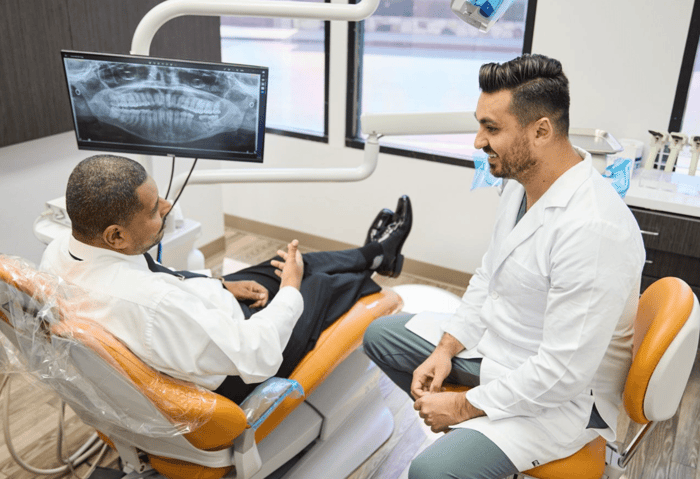
During checkups, the clinician checks implant stability, bone levels, and the fit of the crown or prosthesis. They’ll look for loose parts, infection, and changes in your bite. Early issues like minor inflammation or plaque buildup get fixed before they turn into bigger headaches.
X-rays or 3-D images track the bone around the implant. If they spot bone loss or odd spacing, your dentist can suggest deeper cleaning or targeted treatment.
Keep your appointments every 3–6 months if that's the recommendation, or at least twice a year. If you feel looseness, pain, or swelling, don’t wait—call for a visit.
What to Expect During a Professional Cleaning
Professional cleanings remove hardened plaque (calculus) around implants and under the gums. The hygienist uses special tools that clean the implant surface without harming it. They’ll check soft tissues and measure pocket depths to monitor gum health.
You might hear a short polish and get focused on cleaning around the crown margins. Your team may walk you through how to floss or use an interdental brush around the implant.
Expect quick tips for daily habits and, if needed, a follow-up plan. If there’s a problem, they’ll explain options and help you set up further care.
Lifestyle Choices That Make (or Break) Implant Success
Your everyday habits really shape how well implants heal and last. What you eat, drink, and whether you smoke all affect bone, gums, and implant stability.
Habit Type | Helpful Habits | Harmful Habits |
Diet | Soft, nutrient-rich foods | Hard, sticky foods |
Hydration | Drinking water regularly | Frequent sugary drinks |
Oral Care | Consistent brushing/flossing | Skipping hygiene routines |
Lifestyle | Not smoking | Smoking or tobacco use |
Foods to Enjoy and Those to Avoid
Choose foods that build bone and keep gums healthy. Eat calcium-rich stuff like low-fat dairy, canned salmon with bones, tofu, and leafy greens. Lean proteins and vitamin C (think citrus, bell peppers) help tissue repair, too.
Skip sticky foods like caramel, gummy candy, or dried fruit—they can pull at crowns or trap bacteria. Hard foods like whole nuts, hard candies, and ice can crack crowns or stress the implant. Cut apples and hard veggies into small pieces and chew on the opposite side while you heal.
Limit sugary and acidic drinks—they feed bacteria and can erode enamel near the implant. If you eat something risky, rinse with water and brush gently within 30–60 minutes. Balanced meals and mindful chewing lower pressure on the implant and help it last.
Why Staying Hydrated Matters
Drink plain water all day to keep your mouth clean and help with healing. Saliva protects tissues and controls bacteria; dehydration lowers saliva and raises infection risk.
Take steady sips instead of gulping lots at once. Water after meals clears food bits, especially sticky stuff near crowns. If you exercise or spend time outdoors, drink more to keep saliva and circulation up—both help bone and gums repair.
Cut back on caffeine and alcohol while healing—they dry your mouth and slow recovery. If meds reduce saliva, talk to your dental team about extra rinsing or saliva substitutes.
Quit Smoking for a Stronger Smile
Smoking cuts blood flow and slows healing around implants. Nicotine and other chemicals block bone growth, raising the risk of implant failure and bone loss.
If you smoke, try to stop several weeks before surgery and for months after. Even cutting down helps blood flow and healing. Get help—nicotine replacement, counseling, or a quit program can boost your chances.
Secondhand smoke also harms oral tissues, so avoid smoky places while healing. Let your dental team know about tobacco use so they can adjust your care and follow-up.
Protecting Your Implants from Everyday Risks
Protect your implants by reducing force and avoiding risky habits. Small changes at night and during the day help keep the titanium post, crown, and gums in good shape.
How a Night Guard Helps with Teeth Grinding
If you grind or clench your teeth, a night guard fits over your teeth and absorbs pressure. This takes stress off the implant crowns and the titanium post while you sleep.
Ask your dentist for a custom-fitted night guard. It matches your bite, feels more comfortable, and lasts longer than one-size options. Wear it every night if you grind or wake up with jaw pain.
A night guard also helps prevent tiny cracks in crowns and loosening of the implant. Keep the guard clean by rinsing daily and storing it in a ventilated case. Bring it to checkups so your provider can check fit and wear.
Avoiding Habits That Can Damage Implant Crowns
Don’t chew hard objects like ice, pens, or popcorn kernels. These can chip or crack the crown and send damaging force to the implant and jawbone.
Avoid using your teeth as tools for opening packages or cutting tape. That can bend or break the crown and raise the risk of implant failure. Use scissors instead—teeth just aren’t built for it.
Limit sticky or tough foods if you notice movement or soreness. Don’t bite directly into hard fruits; cut them up. If you smoke, think about quitting—it slows healing and raises your risk of problems around the implant.
Bite gently and keep up with checkups. Your dentist can spot wear early and adjust crowns or your bite to protect the implant long term.
Paying Attention to Early Warning Signs
Watch for pain, swelling, loosening, or changes in your bite. Act quickly—catching problems early can protect the implant and the bone around it.
When to Contact Your Dentist
Call your dentist right away if pain sticks around after a few days or doesn’t ease with over-the-counter meds. Sudden or worsening swelling, pus, a bad taste, or fever can signal infection—don’t wait on that.
If the implant feels loose or your crown moves when you chew, call the office the same day. Early movement can mean the bone isn’t fusing or the implant is under stress. Also, call if your bite changes or nearby teeth shift—these can signal trouble with implant stability.
Bring photos or short videos of the area if you can. Note when symptoms started and any recent hard bites, grinding, or changes in health or meds. It helps your dental team help you faster.
Understanding Risks of Implant Failure
Implant failure might happen because of infection, poor healing, too much force, or bone loss near the implant. Smoking, uncontrolled diabetes, certain meds, and severe gum disease can all make things riskier.
If you know what to watch for, you and your dentist can spot issues early and do something about them. Osseointegration takes months to finish. Sometimes, the bone just doesn't fuse well, and the implant could fail even if things looked fine at first.
You might notice pain that won't go away, the implant feels loose, or there's stubborn inflammation. Regular checkups and X-rays really help keep tabs on bone health and catch bone loss before it gets out of hand.
Stick to post-op care and tell your dentist about any weird symptoms right away.
Most early problems can be managed with a deep cleaning, antibiotics, small repairs, or just careful monitoring—nothing too dramatic. That's usually enough to give your implant a much better shot at lasting.
Build Daily Habits for Long-Term Implant Success
Maintaining dental implants comes down to consistent daily habits and awareness of early warning signs. Gentle brushing, proper cleaning between teeth, and mindful lifestyle choices all work together to protect your implants and keep your smile strong.
At Gardena Dental Care, patients receive guidance tailored to their needs so they can maintain healthy implants with confidence. Ongoing support and regular checkups help ensure long-term comfort and stability.
If you want your implants to last for years, focus on simple habits you can maintain every day. Small efforts now can make a lasting difference in your oral health and overall well-being.
Frequently Asked Questions
How Do I Take Care of Dental Implants Daily?
Taking care of dental implants daily involves brushing twice a day with a soft toothbrush and cleaning between teeth with floss or interdental brushes. You should also use non-abrasive toothpaste to avoid damaging the surface. Consistent daily care helps prevent plaque buildup and supports healthy gums around the implant.
Can Dental Implants Fail Without Proper Care?
Dental implants can fail without proper care because plaque buildup can lead to infection and bone loss. Poor hygiene and harmful habits like smoking increase this risk over time. Maintaining good oral care and regular checkups helps protect implant stability.
What Foods Should I Avoid with Dental Implants?
You should avoid hard and sticky foods that can damage implant crowns or place excess pressure on the implant. Foods like ice, hard candy, and sticky sweets can increase the risk of cracks or loosening. Choosing softer, balanced foods helps protect your implants.
How Often Should I Visit the Dentist with Implants?
You should visit the dentist at least every six months or as recommended by your provider. Regular visits help monitor implant health and detect early issues before they become serious. Professional cleanings also remove buildup that daily care cannot reach.