You take a sip of ice-cold water and get a sudden, sharp sting in one of your teeth. It fades fast, but you're left wondering what just happened. You're definitely not alone. Cold sensitivity comes up all the time at dental visits, and it doesn't care how old you are.
Cold sensitivity can pop up for a bunch of reasons: worn enamel, a cavity, gums pulling back. Getting the "why" right really matters, because what helps one problem might do nothing for another.
This guide breaks down why teeth get sensitive to cold, what you can try at home, and when it's time to get a professional opinion.
Why Cold Drinks Trigger Sharp Tooth Pain
When something cold hits your tooth and you feel a zing, it's almost always because the inner layer (dentin) is exposed and reacting to temperature changes.
How Exposed Dentin Leads to Dentin Hypersensitivity
Your tooth's outer shell, enamel, protects the visible part above your gums. Underneath, dentin sits with thousands of tiny tubes (dentinal tubules) running from the outside straight to the nerve.
If enamel wears down or gums recede, those tubules lose their shield. Cold drinks or air shoot right through and hit the nerve, causing that instant zing. The American Dental Association (ADA) explains that once dentin is exposed, just about anything (cold, heat, sweets) can set off the nerve.
Here's the part worth knowing before you start down the path of home remedies: enamel doesn't grow back. Once it's worn down, whatever's exposed stays exposed. That's why dealing with sensitivity sooner matters more than most people realize. You're not reversing damage; you're managing it before it gets worse.
Why the Pain May Feel Brief, Sharp, or Lingering
Not all cold sensitivity feels the same.
A quick, sharp twinge that disappears in seconds? Usually exposed dentin reacting to cold. Annoying, but over fast. If pain hangs around for 30 seconds or more after the cold is gone, the nerve may be inflamed or stressed, which needs a closer look.
If one tooth keeps acting up, especially with biting, that's the pattern that tends to mean something specific is going on.
Most Common Reasons Teeth Become Sensitive
Sensitivity doesn't just show up out of nowhere. Everyday habits and a few common dental issues can strip away the protection your teeth need.
Enamel Wear From Acidic Foods and Hard Brushing
Acidic drinks like citrus juice, soda, and sports drinks slowly wear down enamel. Plaque bacteria feed on sugar and make acids that attack enamel, so a diet heavy in acid or sugar speeds things up.
Brushing too hard does the same thing from the outside. A lot of people don't realize they're scraping away enamel and irritating their gums just by brushing with too much force.
Gum Recession and Gum Disease
Gum recession means the gum tissue pulls back, uncovering the root. Roots have a softer covering (cementum) instead of tough enamel, which makes them more sensitive to cold and more prone to cavities.
Receding gums can happen from aggressive brushing, gum disease, or just getting older. When gums drop, cold hits a part of the tooth that's not built for it.
Cavities and Cracked Teeth
Cavities (holes from decay) can make teeth sensitive before you notice any other pain. As decay grows, it can trigger reactions to sweet, hot, or cold things.
A cracked tooth does the same. Even a tiny, invisible crack lets cold reach the inside. If you notice pain in one specific spot or when biting, it's worth checking out.
Teeth Grinding and Pressure Damage
Bruxism (teeth grinding) usually happens at night without you realizing it. All that pressure wears down enamel and flattens the chewing surfaces, making them more sensitive. Stress is a big trigger. Sometimes you don't even notice you're clenching until your teeth start reacting.
Recent Dental Work and Temporary Sensitivity
Fillings, crowns, or whitening treatments can make teeth extra sensitive for a little while. Usually this fades in days or weeks as the nerve settles down. If sensitivity sticks around or gets worse after dental work, it's worth a call to your dentist.
What You Can Try at Home First
Some home care can take the edge off cold sensitivity, especially if it's from mild enamel wear or early gum recession. It won't fix the root problem, but it can make daily life easier while you sort out next steps.
Desensitizing Toothpaste and Stannous Fluoride
Desensitizing toothpastes block the tiny tubes in dentin so cold can't get through as easily. You won't regrow enamel, but the toothpaste can reduce the sting after a few weeks of regular use.
Look for formulas with stannous fluoride. It helps strengthen enamel and seal exposed areas. You'll find these at any drugstore, no prescription needed. If you're still wincing after a month of consistent use, there's probably something more going on.
Soft-Bristled Brush and Gentler Habits
Switching to a soft-bristled toothbrush is one of the easiest changes you can make. Medium or hard bristles wear down enamel and push gums back, even if you don't brush that aggressively. Gentle, circular brushing protects both.
Pair a soft brush with daily home care habits like waiting a bit after acidic foods before brushing, and you'll slow down enamel loss over time.
What to Avoid if Your Teeth Are Sensitive
Some habits and foods make sensitivity worse. If your teeth are already touchy, try cutting back on these:
Acidic drinks like soda, lemon water, and sports drinks
Whitening toothpastes with gritty particles
Brushing right after eating acidic foods
Clenching during stressful moments
Eating very cold foods quickly
These won't cause sensitivity by themselves, but they'll make it worse if dentin is already exposed.
Home Step | What It Does | Realistic Timeline |
|---|---|---|
Desensitizing toothpaste | Blocks dentin tubules | 2 to 4 weeks of consistent use |
Stannous fluoride toothpaste | Strengthens enamel, seals tubules | 2 to 4 weeks |
Soft-bristled toothbrush | Reduces gum and enamel damage | Immediate mechanical benefit |
Avoiding acidic foods | Slows enamel erosion | Ongoing protection |
Reducing grinding | Limits pressure on enamel | Varies; mouthguard may be needed |
Dental Treatments That Address the Underlying Cause
If home care isn't cutting it, in-office treatments can target the real problem instead of just masking the symptom.
Fluoride Varnish for Weakened Enamel
A professional fluoride treatment applies a concentrated varnish to your teeth. This helps rebuild weakened enamel and makes dentin less reactive to temperature changes. In-office fluoride is much stronger than what you get in toothpaste. It's quick, painless, and often done during a regular cleaning.
Bonding and Repair for Exposed Areas
If there's a specific spot with exposed dentin or a small crack, a dentist can cover it with tooth-colored resin. This seals the area and blocks whatever's triggering the pain.
Dental sealants are usually for kids' molars, but similar protective materials can cover exposed roots in adults dealing with recession.
When a Root Canal May Be Recommended
Root canal therapy comes into play when sensitivity is severe, and nothing else helps. The procedure removes inflamed or infected nerve tissue, ending the pain at its source. It's not the first option dentists reach for, but if deep decay, a big crack, or constant pain is the culprit, sometimes it's the right one.
Treatment for Major Gum Recession
For significant gum recession, a gum graft moves a small amount of tissue over the exposed root. This restores coverage and reduces sensitivity while protecting the root from further problems.
Not everyone with recession needs a graft. Dentists look at how much tissue is gone and whether the problem is progressing before suggesting it. Catching gum issues early usually means a simpler fix.
Signs It's Time to Schedule an Exam
Some cold sensitivity can be managed at home for a while. But certain patterns mean it's time to get checked out.
Sensitivity in One Tooth Versus Several Teeth
If multiple teeth are sensitive, it's often from enamel wear, diet, or grinding. You can usually manage that with desensitizing products and some habit changes, though a dentist's opinion is still worthwhile.
When only one tooth reacts to cold, that's a different picture. It usually means something specific is going on with that tooth.
Pain That Sticks Around
Quick, sharp pain that disappears is one thing. If pain lasts 30 seconds or more after the cold is gone, that's a red flag. Lingering pain usually means the pulp (the tissue inside the tooth) is inflamed or infected. Waiting tends to make that type of problem more complicated and more expensive to fix.
Other Signs That Shouldn't Wait
Watch for these alongside cold sensitivity:
Swelling near the gum or jaw
Pain when biting down
A visible chip, crack, or dark spot
Bleeding gums around the sensitive spot
Sensitivity that came on suddenly
If you notice any of these, go ahead and make the appointment.
Getting Answers and Relief in Gardena
Figuring out what's behind your cold sensitivity doesn't have to be a hassle. A thorough dental exam can spot the cause quickly and point you in the right direction.
What to Expect at Your Visit
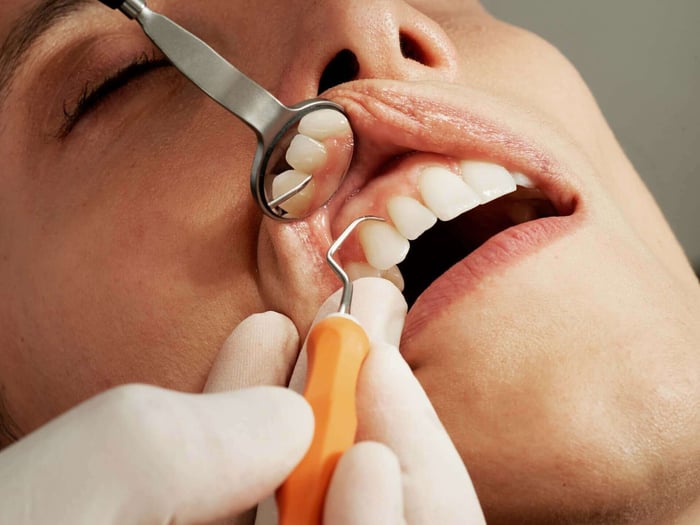
The dentist will ask about your symptoms and take a close look at the area. Digital X-rays help spot decay, bone changes, or hidden damage. They'll usually want to know which tooth bothers you, how long pain lingers after cold, whether heat or biting makes it worse, and when the sensitivity started.
That process gives the dentist a clear sense of what's going on without a lot of guesswork.
Low-Pressure Next Steps
The team at Gardena Dental Care has seen cold sensitivity in every form, from mild enamel wear to more complex situations involving recession and cracking. That range of experience means you'll get a recommendation based on what's actually happening, not a one-size-fits-all answer. A dental checkup for sensitivity doesn't have to take all day. Saturday and after-school appointments are available to fit into busy schedules.
Insurance and financing options are available so you know what's covered before anything starts. No surprises.
Frequently Asked Questions
Why Does One Tooth Suddenly Hurt When I Breathe in Cold Air?
If a single tooth suddenly reacts to cold air, it's usually because that spot lost some of its protective covering. The exposed dentin gets sensitive fast, often from a cavity, crack, or gum recession.
Is It Normal for Cold Tooth Sensitivity to Come and Go?
Yes, sensitivity can come and go. It often flares up with certain foods, brushing habits, or if you're grinding your teeth at night. But if it keeps returning or gets worse, it's worth having checked out.
Can Whitening Treatments Make Tooth Sensitivity to Cold Worse?
Whitening products, especially stronger ones, can make teeth more sensitive by opening up the dentin tubules. If your teeth already react to cold, talk to a dentist before whitening. Professional teeth whitening lets the team monitor and manage sensitivity more closely than store-bought kits.
How Can I Tell if Cold Sensitivity Is From a Cavity or Just Worn Enamel?
Worn enamel usually causes sensitivity across several teeth and often ties to diet or brushing habits. Cavities tend to cause pain in one spot, and you might notice it with sweets or pressure too. Only an exam and X-rays can tell you for certain, since both can feel pretty similar.
Your Next Move for Sensitive Teeth
You don't have to just put up with cold-sensitive teeth. Whether it's enamel wear, a cavity, gum recession, or grinding, there are real ways to get relief. The trick is figuring out what's actually causing it.
Call Gardena Dental Care at (424) 295-7885 or request an appointment online. Saturday hours and flexible payment plans are available to work with your schedule.