Most people have stood in the drugstore eyeing whitening strips, wondering if they actually do anything. Maybe your morning coffee habit left a mark, or you noticed in a photo that your teeth looked brighter a few years ago. You're not alone. The American Academy of Cosmetic Dentistry says whiter teeth top the wish list for most people hoping to upgrade their smile.
Both professional whitening and at-home kits can produce results. But they don't work the same way or deliver the same outcomes. Understanding the differences helps you pick what fits your teeth and your life.
Which Option Usually Works Better and Why
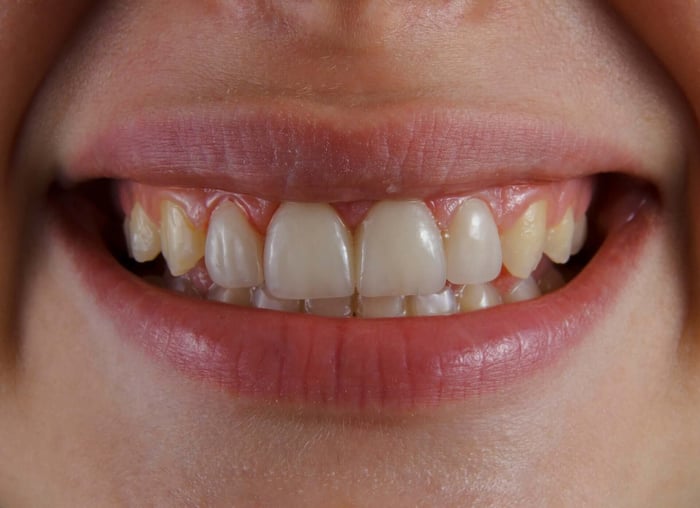
Here's the part most comparison guides skip: whitening success depends almost entirely on what type of stains you have. Extrinsic stains sit right on the surface of enamel. Coffee, wine, tea, and tobacco cause them, and both professional and at-home products can address them. Intrinsic stains go deeper, forming inside the tooth itself. They come from aging, certain medications, or trauma. No whitening product removes them reliably, and many OTC strip users don't realize that until they've tried multiple rounds with no real result.
Figuring out which type you're dealing with before you spend money on anything is the most useful first step.
When Professional Whitening Makes More Sense
In-office whitening uses hydrogen peroxide at a much higher concentration than anything available at a drugstore. That stronger formula reaches deeper into the tooth and can lift stains in a single visit.
If your teeth have significant staining from coffee, tea, wine, or tobacco, professional treatment tends to deliver more even results. People with sensitive teeth often do better with in-office care too, since the dentist can monitor and adjust throughout the session.
When Store-Bought Products May Be Enough
Mild, surface-level stains can respond well to at-home kits, especially if you're not in a rush. Strips and over-the-counter trays use lower concentrations of carbamide peroxide. Results take longer, but the process is gentler on enamel.
These products also work for maintaining brightness between professional visits. Stick to options with the ADA (American Dental Association) Seal of Acceptance, which confirms they've been tested for safety and effectiveness.
Stain Types and What Each Option Can Treat
Stain Type | Cause | Responds to At-Home Kits | Responds to Professional Whitening |
|---|---|---|---|
Extrinsic | Coffee, tea, wine, tobacco | Often yes | Yes, faster and more even |
Intrinsic | Age, medications, trauma | Rarely | Partially, depends on severity |
Uneven or patchy | Mixed causes | Limited | Better results with custom trays |
A quick dentist check before you buy anything can tell you which category your staining falls into.
How In-Office Treatment and Home Kits Actually Differ
It's not just about gel strength. Fit, supervision, and equipment all shape your results.
How In-Office Whitening Works
In-office whitening takes about one to two hours. The dentist protects your gums, applies a strong hydrogen peroxide gel directly to your teeth, and monitors throughout. Some offices use an LED light to activate the gel. If sensitivity comes up, the dentist can adjust on the spot.
How At-Home Whitening Products Work
At-home options come in several forms:
Whitening strips: Thin, flexible strips with peroxide gel; worn for 20 to 30 minutes a day
At-home trays: Fill a tray with gel and wear it for a set period daily
LED kits: Pair a tray with a small light; the gel is much weaker than in-office versions
Whitening pens: Quick touch-up applications for individual teeth
Custom trays made by a dentist are a middle-ground option. They fit your bite precisely and use a stronger gel than store kits, so contact is more even, and results are more consistent.
Why Fit and Supervision Matter
Poorly fitting trays allow gel to leak onto gums, causing irritation. They can also leave whitening patchy if the gel doesn't reach every tooth surface. Custom trays eliminate both problems.
Dental involvement matters for another reason: crowns, fillings, veneers, and bonding don't respond to whitening. If you skip the checkup and whiten without knowing where your restorations are, you can end up with noticeable color differences. A dental checkup before whitening sets accurate expectations.
Safety, Sensitivity, and Who Should Be Careful
Most healthy adults can safely whiten their teeth. A few things are worth knowing before you start.
Are Whitening Strips Safe for Sensitive Teeth?
Strips are generally safe, but the peroxide can temporarily reach the nerve and cause sharp or achy twinges with cold drinks. If you already have sensitive teeth, look for strips with lower peroxide concentrations and use them for shorter sessions with breaks between rounds.
Common Side Effects
Most people notice one of two things: temporary sensitivity or mild gum irritation. Sensitivity typically fades a day or two after stopping. Gum irritation happens when gel contacts the tissue, usually from trays that don't fit well or from over-use.
Using whitening products too frequently can thin enamel over time. Once enamel is gone, it doesn't come back. Follow the instructions and don't go beyond the recommended frequency.
When to Get a Dental Exam Before Whitening
If you have untreated cavities, gum issues, or exposed roots, whitening can make existing problems worse. Bleach won't fix decay; it can irritate it.
A professional cleaning before you whiten also removes surface buildup so the gel can actually reach your teeth. If it's been a while since your last cleaning, do that first. It makes a bigger difference than most people expect.
How Long Results Last and What Affects Them
No whitening treatment lasts forever. How long your results hold depends on what caused the staining and what you do afterward.
Why Professional Results Often Last Longer
In-office whitening starts from a more dramatic color change, so even as some staining returns, teeth stay brighter for longer. With good habits, professional results can last a year or more. Your dentist may send you home with custom trays for easy touch-ups that extend those results without starting over.
Why Home Results May Fade Faster
At-home kits can lighten teeth by a shade or two for a few months. Results fade faster if you drink a lot of coffee or tea, smoke, or skip cleanings. The weaker gel provides less of a buffer before staining returns.
Home kits still deliver value. Just plan on repeating the process more often, which adds up over time.
Simple Ways to Maintain a Brighter Smile
Rinse with water after coffee, tea, or red wine when you can't brush
Use a whitening toothpaste to scrub away new surface stains
Keep up with regular cleanings to remove buildup before it bonds
Avoid tobacco, which produces stains that are the hardest to remove
Combining professional whitening with consistent home habits usually gives the longest-lasting results.
Cost, Convenience, and Value Over Time
Cost and convenience are real factors, especially for families juggling busy schedules.
Upfront Cost vs Repeat Purchases
In-office whitening costs more upfront, sometimes several hundred dollars. Drugstore kits run $20 to $60 per box, which sounds like a bargain at first.
But if you're buying new kits every few months, the annual cost of at-home whitening can approach what you'd pay for a single professional session. Flexible payment and financing options can help spread out the cost of in-office treatment.
Time Commitment for Each Approach
Approach | Time Per Session | Total Treatment Time | Visits Required |
|---|---|---|---|
In-office whitening | 60 to 90 minutes | One appointment | One (touch-ups optional) |
Custom take-home trays | 30 to 60 min/day | Two to four weeks | One to pick up trays |
OTC whitening strips | 20 to 30 min/day | Two to four weeks | None |
OTC whitening trays | 30 to 60 min/day | Two to four weeks | None |
If weekday appointments are hard to fit in, Saturday availability makes professional whitening a realistic option for most Gardena families.
When a Hybrid Plan Makes Sense
Starting with an in-office session for a strong base and then maintaining with dentist-made trays at home is often the most practical long-term plan. You get the professional jump-start without needing to come back for every touch-up. Over a couple of years, this combination can cost less than repeated at-home purchases, and the results tend to look more even.
Choosing the Best Fit for Your Smile
Before you buy anything or book anything, take a minute to think through your situation.
What Type of Staining Do You Have?
Is it surface staining from diet? Has it been there for years? Does it appear on all your teeth or just some? The answers change what's likely to work. A quick consultation can tell you what type of staining you're actually dealing with, which saves you from buying the wrong product.
What to Know if You Have Crowns, Fillings, or Veneers
Dental restorations don't whiten. No matter how strong the bleach, those materials stay the same shade. If your natural teeth get brighter but your dental work doesn't, the mismatch will be obvious. Planning whitening with your dentist helps you avoid that outcome, especially if you have visible restorations.
What to Expect From Dr. Barkhordar's Approach to Whitening
Dr. Hamid Barkhordar trained at the University of Southern California School of Dentistry and Harvard School of Dental Medicine. His approach to cosmetic treatments starts with an assessment of what's actually causing the discoloration, because the treatment that produces the best result for coffee staining looks different from the one that addresses post-orthodontic discoloration or aging enamel. That diagnosis step is what most people skip when they reach for a drugstore kit. It's usually the difference between results and disappointment.
Frequently Asked Questions
How Long Do Results Usually Last With Dentist Whitening Compared With Store-Bought Trays or Strips?
In-office whitening can keep your teeth brighter for one to three years if you keep up with cleanings and limit heavy-staining foods. Store-bought strips and trays tend to fade within a few months, especially if your daily habits include coffee, tea, or wine.
What Are the Biggest Reasons Some People Get Better Whitening Results in a Dental Office Than at Home?
The main factors are gel strength, tray fit, and professional oversight. In-office whitening uses stronger peroxide and custom trays, which means more even results across all your teeth.
Is Whitening at the Dentist Safer for Sensitive Teeth or Thin Enamel?
If you have sensitive teeth or thin enamel, professional whitening is usually the safer option. The dentist controls how long and how strong the gel stays on your teeth, so you're less likely to run into problems. Over-the-counter strips don't offer that level of control, and using them too often can worsen sensitivity.
What Should I Do if I Have Crowns, Veneers, or Fillings and Want a Brighter Smile That Still Matches?
Talk with your dentist first. Bleaching products won't change the color of crowns, veneers, or fillings. A dentist can review your dental work and help you plan, so your final result looks even rather than patchy.
Your Next Step Toward a Brighter Smile
Choosing between in-office whitening and at-home kits comes down to your stain type, sensitivity, timeline, and budget. At-home kits handle mild surface staining or help you maintain results. Professional whitening works faster and lasts longer for deeper discoloration. Either way, a quick dental check before you start can save you time and money.
Call Gardena Dental Care at (424) 295-7885 to set up a whitening consultation, or request an appointment online in just a couple of minutes. Saturday times are available, and the team will walk you through your options before you make a decision.