Spotting a little pink in the sink after brushing can be a surprise, especially when your mouth feels fine. For a lot of Gardena families, it's one of those moments that makes you pause: should you worry, or is this just something that happens now and then?
A lot of people file bleeding gums under "just something that happens." They rinse, keep moving, figure it's the floss or a rough morning. The thing is, healthy gums don't bleed on contact. When they do, it usually means something is worth paying attention to before it becomes a bigger issue.
People often mention bleeding gums at a dental checkup. Most of the time, a few tweaks at home can turn things around quickly. But sometimes the bleeding points to something that needs a dentist's attention first.
What Bleeding While Brushing Usually Means
Bleeding gums usually mean gum tissue is irritated or inflamed. The upside? Early-stage gum disease, the most common culprit, can be reversed if you catch it soon enough.
Healthy Gums Should Not Bleed Regularly
Healthy gums feel firm, look pale pink, and hug your teeth closely. They don't bleed when you brush or floss, unless you're just starting a new flossing habit, in which case some light bleeding for a day or two isn't unusual.
If it's happening often, your gums are probably inflamed and need some attention. Bleeding from brushing too hard once in a while isn't the same as bleeding every morning.
Plaque Buildup and Gum Inflammation
Plaque is that sticky film of bacteria that forms on teeth all day. If it hangs around the gumline, it irritates your gums and sparks inflammation: swelling, redness, and easy bleeding.
The American Dental Association calls this early gum disease "gingivitis." With steady brushing, flossing, and a professional cleaning, you can usually reverse it. Let plaque sit too long, and it hardens into tartar. At that point it's stuck, and the cycle of irritation gets harder to break.
Is It Normal to Have Bleeding? No.
How Gingivitis Can Turn Into Periodontitis
If gum disease gets past gingivitis, it can turn into periodontitis. That's when the infection moves below the gumline and starts affecting the bone that holds your teeth in place. According to CDC data on gum disease, bone loss from periodontitis can't be reversed, only managed.
Signs things are progressing: gums that pull away from teeth, persistent bad breath, or teeth that feel a bit loose. Bleeding is usually the first hint, so it pays to act on it early.
Common Reasons Your Gums May Bleed at Home
Gum disease is common, but it's not the only cause. Plenty of daily habits and health factors make gums more sensitive.
Brushing Too Hard or Using the Wrong Toothbrush
Scrubbing hard doesn't clean better; it just wears down gum tissue and causes bleeding. If your toothbrush bristles look squashed after a couple of weeks, you're pressing too hard.
Most people do best with a soft-bristled brush. Hard or medium bristles can be rough on gums and enamel alike. Try switching to soft and using gentle, circular motions instead.
Infrequent Flossing
If you haven't flossed in a while and suddenly start again, bleeding is normal for a few days. That's not damage from the floss; it's irritation that's been building up, as covered in this guide on why flossing matters. Daily flossing keeps your gums much healthier over time.
For most people, bleeding fades after a week or two of steady flossing. If it keeps going, gum disease has probably already set in.
Hormonal Changes and More Sensitive Gums
Hormones can make gums more reactive. During pregnancy, puberty, or certain times of the month, you might notice more bleeding even if nothing else changed. Pregnancy gingivitis is a real thing: gums swell and bleed more easily, not from poor hygiene but from how the body responds.
Teens can see this during puberty too. It's common, but it does mean being more mindful about gum care during those years.
Medications, Vitamin Deficiencies, and Other Factors
Some medications, especially blood thinners and certain heart or seizure meds, make gums bleed more easily. If you started a new prescription and noticed bleeding soon after, let your doctor and dentist both know.
Low levels of Vitamin C or K can also weaken gum tissue and affect clotting. Dry mouth, whether from meds or other health issues, and tobacco use can make things worse too.
Factor | How It Affects Gums |
|---|---|
Blood thinners | Slow clotting, making gums bleed more easily |
Vitamin C deficiency | Weakens gum tissue structure |
Vitamin K deficiency | Reduces normal clotting response |
Tobacco use | Reduces blood flow, masks inflammation |
Dry mouth | Reduces protective saliva, increases irritation |
Pregnancy | Increases tissue sensitivity to plaque |
What You Can Do Now to Help Your Gums Heal
Most early gum problems get better with some changes to your daily routine. The goal: remove plaque and avoid the habits that keep inflammation going.
Keep Brushing, but Gentler
Don't stop brushing just because your gums bleed. If you quit, plaque builds up and things get worse. Grab a soft-bristled brush and use gentle, short circles along the gumline.
Electric toothbrushes are a bonus here. Many models warn you when you're pressing too hard, which takes the guesswork out of it. Aim for two minutes, twice a day.
Clean Between Teeth Every Day
Floss or use an interdental brush to get into the tight spaces your toothbrush misses. That's where bacteria hide and cause the most trouble.
If regular floss is awkward for you, a water flosser is a solid backup. It won't replace floss entirely, but it's better than nothing.
Products That Support Gum Health
An antibacterial mouthwash can help knock down gum-irritating bacteria. Look for one that mentions gingivitis or plaque control on the label. Fluoride treatments and fluoride toothpaste strengthen enamel, giving teeth a better defense overall.
Simple Habits to Reduce Irritation
Drink more water to rinse away bacteria throughout the day
Skip tobacco, which cuts blood flow to gums and hides warning signs
Eat plenty of Vitamin C (citrus, leafy greens)
Swap your toothbrush every three months
Rinse with warm saltwater if your gums feel sore
If you're still seeing blood after two weeks of these changes, it's time to get help from your dental team.
When It Is Time to Schedule a Dental Visit
Early gum issues often improve with home care, but sometimes bleeding sticks around. Knowing when to call can save you from bigger problems later.
Bleeding That Lasts More Than Two Weeks
If you're brushing and flossing daily with good technique and bleeding still happens after two weeks, something deeper is likely going on. A professional cleaning can clear out tartar and give your gums a real chance to recover.
Is It Normal for Gums to Bleed Daily?
Other Signs That Point to Gum Disease
Besides bleeding, watch for:
Red, swollen, or darker gums
Bad breath that doesn't go away after brushing
Gums that seem to pull back, making teeth look longer
Any tooth that feels loose or uncomfortable
Pain or tenderness along the gumline
The Harvard School of Dental Medicine notes that early symptoms can be subtle, but they're worth acting on before things progress.
What a Dentist Will Check
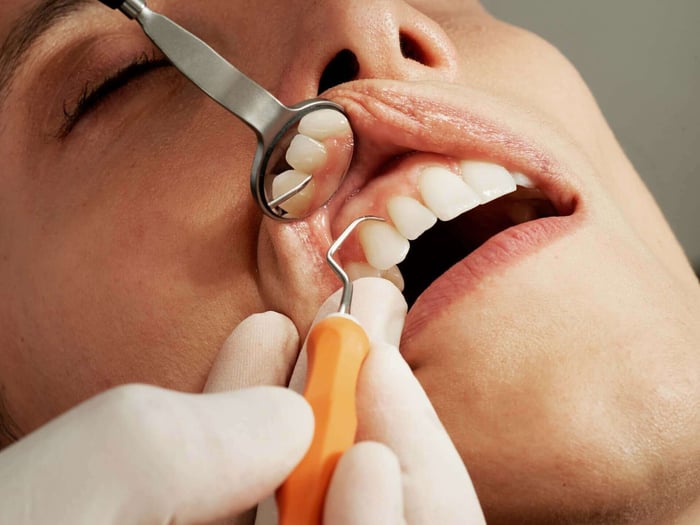
Your dental hygienist checks the depth of the pockets around each tooth with a small instrument. Shallow pockets are healthy; deeper ones mean gum tissue and possibly bone have pulled away.
Digital X-rays can reveal bone changes you can't see on your own. Together, these checks give a clearer picture than anything visible at home.
How Professional Care Can Treat the Underlying Cause
A thorough cleaning or deeper treatment can usually get gum disease under control. The right approach depends on how far things have progressed.
Professional Cleaning for Plaque and Tartar
A standard professional cleaning clears away plaque and tartar from all tooth surfaces, including the tricky spots below the gumline where floss can't reach. For mild gingivitis, this step often gives gums a chance to fully heal.
Afterward, your hygienist might take a minute to check your brushing and flossing routine. Sometimes just tweaking what you're doing at home prevents inflammation from coming back.
Deep Cleaning for Gum Pockets
If gum disease has progressed, scaling and root planing goes deeper. The hygienist removes tartar from under the gums and smooths the roots, helping gum tissue reconnect to the teeth. This shrinks those pockets and makes it harder for bacteria to settle back in.
Scaling and root planing typically happens over a couple of visits, with numbing so it stays comfortable. Most people are surprised by how manageable it is. Catching gum issues early through periodontal disease prevention keeps treatment simpler and less expensive.
If the Cause Isn't Gum Disease
If bleeding traces back to a medication, vitamin shortage, or another health issue, the approach shifts. Your dentist may refer you to your primary care provider to tackle the root cause, or suggest products designed for medically sensitive gums.
What the Gardena Dental Care Team Looks For
Before recommending treatment, the team at Gardena Dental Care evaluates both the visible signs and the full history: how long you've had symptoms, what medications you take, and whether the pattern points to gum disease or something systemic. That process matters because the fix for early gingivitis looks very different from the fix for medication-related bleeding. Getting the right answer from the start means you're not treating the wrong thing.
Next Steps for Gardena Families
Deciding between home care and an appointment doesn't have to be complicated. A few clear signals can steer you in the right direction.
How to Decide What to Do Next
Situation | Recommended Next Step |
|---|---|
Bleeding started when you changed your flossing routine | Try consistent daily flossing for 1 to 2 weeks |
Switched to a soft brush recently, bleeding is improving | Continue home care, monitor for improvement |
Bleeding has lasted more than 2 weeks despite better habits | Schedule a professional cleaning |
Gums look swollen, red, or are pulling away from teeth | Call your dentist soon |
Persistent bad breath alongside bleeding | Book a dental visit |
No cleaning in over a year | Schedule a checkup regardless of symptoms |
Getting Affordable Help in Gardena
Plenty of families put off dental visits because of cost or a packed calendar. Payment plans and insurance can make a cleaning or checkup more doable than you might expect. It's fine to ask for a clear cost breakdown before you commit; any good team will walk you through it.
Gardena Dental Care has same-day and Saturday appointments so you don't have to squeeze care into an already busy week. Call (424) 295-7885 or book your appointment online to find out what's going on with your gums and what steps will get them back on track.
Frequently Asked Questions
Is It Normal to See a Little Blood When I Brush, Even if My Gums Don't Hurt?
Not really. Healthy gums shouldn't bleed regularly, even if you feel no pain. Painless bleeding usually points to early gingivitis, and it's worth tackling with better home care or a cleaning.
What Are the Most Common Everyday Causes of Gum Bleeding at Home?
Most often, it's plaque along the gumline, brushing too hard, or not flossing enough. All of these can irritate your gums and make them bleed when you brush or floss.
Can Flossing Make My Gums Bleed, and How Do I Know if I'm Doing It Right?
Yes, if you haven't flossed much, you might notice some bleeding at first; usually, that stops after a week or two of daily flossing. If it keeps going, the problem is probably inflammation from plaque, not the floss itself.
What Vitamin or Mineral Shortages Can Lead to Bleeding Gums?
Low Vitamin C and Vitamin K can both make your gums bleed more easily. Vitamin C keeps gum tissue strong, and Vitamin K helps with blood clotting. If you're short on either, a balanced diet or supplements can help once a deficiency is confirmed.
How Can I Calm Bleeding Gums Quickly and Safely Until I Can See a Dentist?
Try rinsing with warm saltwater to ease swelling and discomfort. Use a soft brush, go easy when brushing, and add daily flossing. These steps at home can make a real difference while you wait for your appointment.
When Does Gum Bleeding Become a Warning Sign That Needs an Urgent Dental Visit?
Get care sooner if bleeding is heavy, won't stop after several minutes, comes with jaw or face swelling, or you spot a painful, pus-filled pocket on your gums. Those signs can mean an infection that needs quick attention.